Tom Brown, head gardener at West Dean Gardens, has shared advice on managing seasonal pests, including slugs, which can be tackled using simple kitchen leftovers and other natural methods.
In an article published in BBC Gardeners' World Magazine, Brown offered horticultural tips for adapting to changing seasons and preparing for autumn. The feature covered lawn care, weather shifts, treating sickly plants, and controlling pests such as brassica whiteflies, fungus gnats, leek moths, pigeons, red spider mites, rosemary beetles, and scale insects.
Three-Stage Approach to Slugs
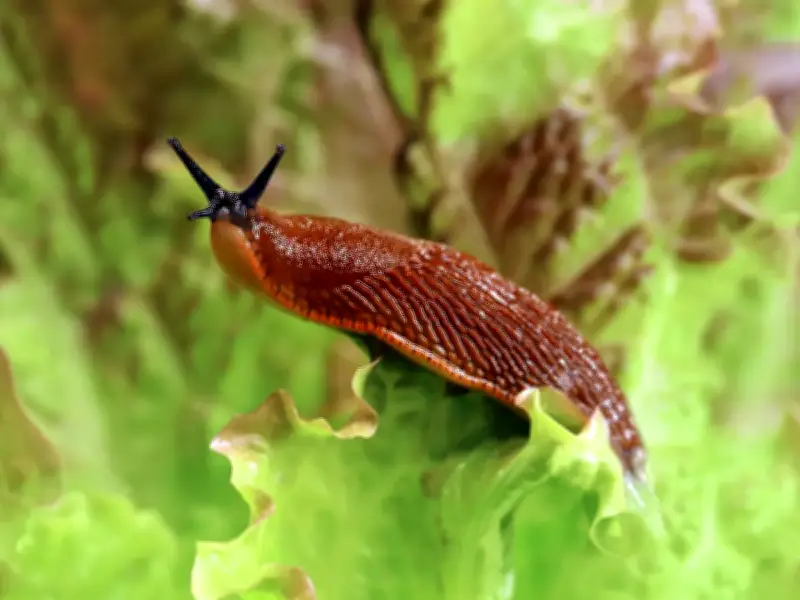
The article noted that autumn rainfall combined with mild temperatures creates ideal conditions for slugs, which can damage maincrop potatoes still in the ground. It explained that while it is "relatively tricky to get large numbers under control," persistence pays off. Gardeners are advised to keep areas tidy around vulnerable crops and remove hiding places for these molluscs during the day.

Brown recommends deploying "grapefruit skins and beer traps until November to keep populations manageable," and applying slug-eating nematodes.
Benefits of Slugs and Snails
Despite their reputation, slugs and snails provide valuable benefits to gardens. According to the RHS, they contribute to decomposition by feeding on dead leaves, dung, and even other dead slugs. They also serve as an essential food source for birds, hedgehogs, and frogs.
However, some species feed on living plants, which is why they are often seen as pests. The RHS suggests it is "much better" to "learn to live" with them, but if plant protection is necessary, gardeners can use traps or biological controls.
Natural Control Methods
Traps can include hollowed-out grapefruit halves, though orange or melon rinds work equally well. These should be placed cut-side down, or jars half-filled with beer can be buried in the soil. Ideally, they should be emptied each morning, although regular clearing will suffice. Ready-made traps are also available.
Biological control involves nematode-based products containing microscopic worms, also known as eelworms, which enter slugs' bodies and kill them.
The RHS has warned against using slug pellets, including organic options, as they can harm other garden wildlife. Instead, it recommends encouraging natural predators or using the methods described above.