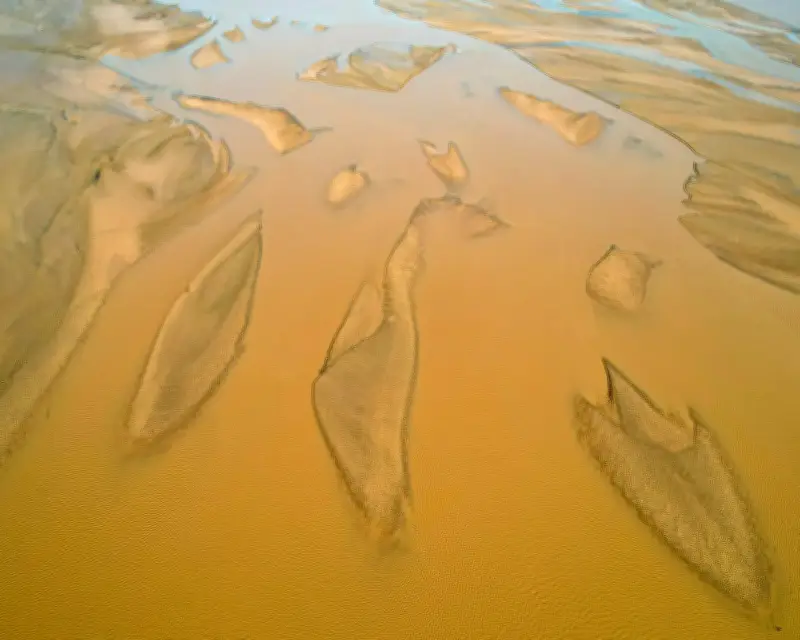
The global demand for sand and gravel has more than doubled since 2000, leading to overextraction from riverbeds that is weakening riverbanks, lowering groundwater levels, and causing coastal salt intrusion and poorer water quality, according to a study published in Reviews of Geophysics.
Rapid growth in demand
In 2024, city-building and infrastructure projects worldwide turned 28bn tonnes of sand and gravel into concrete. Researchers reviewed extraction data going back to 1974 and found that demand has more than doubled since 2000, with over 80% of current demand coming from Asia, particularly supporting urban development and road-building in China and India.
Extraction exceeding natural replenishment
Much of the material is being extracted from rivers across Asia and Africa. While data on extraction is scarce, where it does exist, the researchers showed that extraction often exceeded natural sediment replacement severalfold.

Potential solutions
The researchers suggest that satellite imaging and river mapping could be used to better manage sand and gravel mining, helping to minimise negative impacts. Demand could also be reduced by using materials more efficiently and developing alternatives such as processed construction waste, recycled glass, and treated bottom ash from waste incineration.