
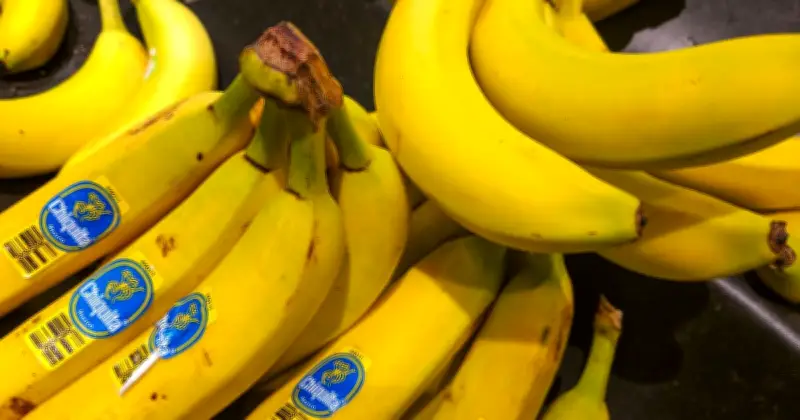
Gene-edited bananas that resist browning after being sliced could reach UK supermarkets, offering shoppers fruit that stays fresh longer. Developed by Norwich-based Tropic Biosciences, the bananas have an extended shelf life compared with traditional varieties, and could help reduce food waste and make prepackaged fruit products more appealing.
How the bananas stay fresh
Tropic used gene-editing technology to modify three genes involved in the browning process. The changes inhibit the production of polyphenol oxidase, the enzyme responsible for browning when the fruit is exposed to air. By targeting that process, the company aims to preserve the appearance of sliced bananas for longer.
Regulatory progress
The gene-edited bananas have cleared one regulatory hurdle, with the Department for Environment, Food and Rural Affairs (Defra) approving a marketing notice for them. Next up for the next-gen fruit is a safety review by the Food Standards Agency, which needs to be passed before they arrive in supermarkets.
Potential benefits
The bananas' appearance could be particularly useful for prepackaged fruit products such as fruit salads and breakfast pots, where fruit that retains its colour longer could offer greater appeal and reduce the amount discarded because it has turned brown.
Gilad Gershon, the chief executive of Tropic, said the flesh of the new banana resisted browning for an extra day or two - and longer if chilled. An estimated 1.4 million bananas are discarded annually in the UK because of browning. A third of consumers (30%) said they had discarded a banana owing to a minor bruise or black mark on the skin.
The potential environmental benefits also extend to the banana export market, with projected annual CO2 reductions exceeding nine million tons.




