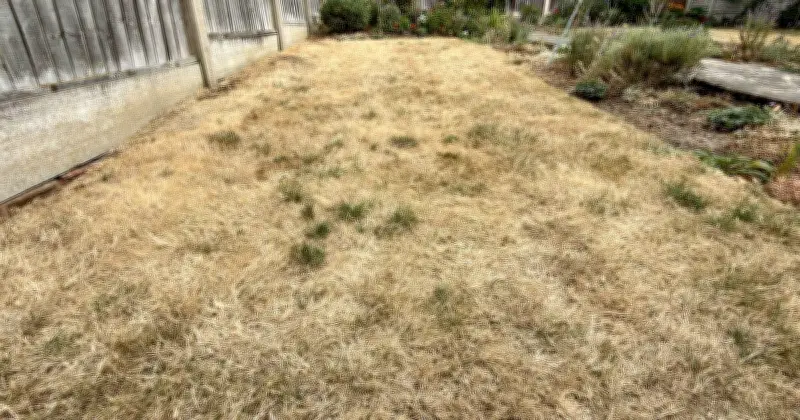
As summer begins to fade, gardeners are likely using the last few weekends of sunshine to get the garden ready for the autumn and winter months. As the weather begins to cool, and rain is finally on the forecast, there are a few jobs that it’s important to get out and do before the weather really turns. These jobs are the ones that are crucial to your garden's survival through winter but become difficult as rain and falling leaves take over.
Testing soil with a screwdriver
One of the first things gardeners are urged to do is test the soil to see how dry it is. After such a dry, hot summer, with much of the country in drought, lawns are looking parched. As well as this, over the summer, lawns often experience more footfall as people get outside and make the most of the sun. This repeated pressure can compact the soil beneath the grass, making it more difficult for air and water to reach the roots. When heavier autumn rain arrives, compacted areas may also drain more slowly and leave water sitting on the lawn, which can lead to floods.
To see what’s going on beneath the surface, gardeners should push a screwdriver into the soil throughout the garden to find out what's happening.

Laura Bradbury, the head of ecommerce at Vonhaus said: “If the soil feels much harder beneath areas that have supported furniture, paddling pools or heavy footfall, those sections may benefit from aerating once the ground is cooler and suitably moist.”
How to aerate your lawn
Aerating your lawn is the process of poking small holes throughout it to allow water, air and nutrients to permeate it. To aerate your lawn successfully, choose the right day. The best time of year to aerate the lawn is spring or autumn, outside of the hot dry months of summer. Choose a day where it has rained recently - you want the soil to be soft and damp but not soaking wet.
Get a gardening fork and cover the entire surface area that you are aerating with five inch deep holes with a six inch gap between sections. After aerating, give your lawn a good amount of water to help the soil absorb moisture. Repeat the aeration process once or twice a year to maintain a healthy lawn.