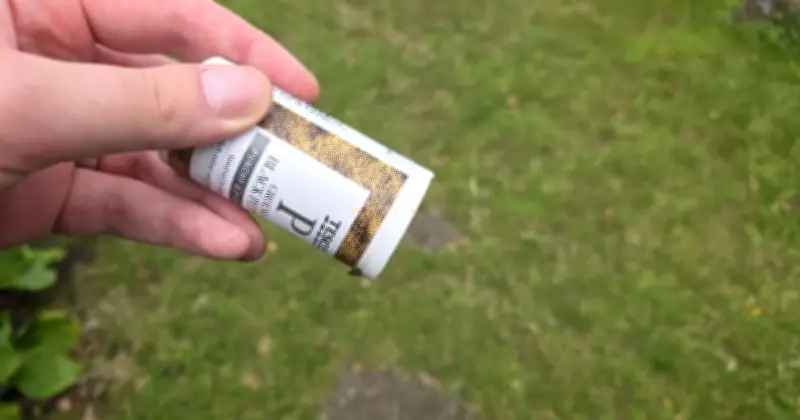
Gardeners are being urged to sprinkle black pepper in their gardens this September for two important reasons. Black pepper is a classic kitchen seasoning, beloved by amateur chefs and an easy way to liven up almost any dish, as long as it is not overdone.
But its utility is not limited to the kitchen. This staple food flavouring can be strewn across the garden too, which helps in several handy ways.
Natural pesticide properties
According to experts at Weekand, black pepper is a highly effective natural pesticide. Unlike chemical-based pest killers, black pepper repels or kills various pests, such as sawflies and caterpillars, without risking any harm to other animals. Insects also do not develop resistance to it, unlike with chemicals.

They said: “Black pepper is a jack-of-all-trades in the gardening world. Functioning as a natural pesticide, an antibacterial agent, and a protector against damaged caused by pets, black pepper might be just the solution you need for your gardening challenges.
“Black pepper protects plants by killing or repelling various pests. A study from the University of Ottowa found that pepper was effective on insects such as pine sawflies and the eastern tent caterpillar. It works within 24 hours and is even more effective than some synthetic pesticides.
“Pepper has many advantages over most synthetic insecticides in that it does not contaminate groundwater, harm humans or other animals, and insects do not develop resistance to it.”
Antibacterial and anti-fungal benefits
The other advantages of black pepper, the experts say, are its natural antibacterial and anti-fungal properties. It therefore can be used to protect against mould, disease and rot - perfect for use in a greenhouse or other area with heavy watering without a lot of open air.
They added: “Plants face a wide variety of ailments from bacteria. Black pepper is a natural antibacterial agent, working against a number of fungus and bacterial infections.
“Mix the pepper into the soil of the plant, and bacteria will have more difficulty growing both in the soil and up into the plant. The plant will absorb the black pepper compounds, providing further protection. Use it on plants that are fighting bacterial infections and as a preventative measure.”
Backed by further research
Black pepper's powerful properties are backed up by House Digest, which says: "If you're a plant lover, you've likely waged war against aphids at some point." These tiny, sap-sucking pests are the bane of many gardeners and indoor plant enthusiasts. Aphids, which come in various colors, such as green, black, or pink, can quickly overrun plants, leaving a trail of damage in their wake. They feed on the sap of plants, weakening them, and can even transmit plant diseases.
House Digest adds: "In comes black pepper to lend a helping hand to get rid of aphids. A 2021 study in the journal Molecules brought some interesting news to light. Black pepper oil showed significant insecticidal properties, achieving an 80% mortality rate when used against the green peach aphid. This is particularly noteworthy because green peach aphids are known for their resilience."