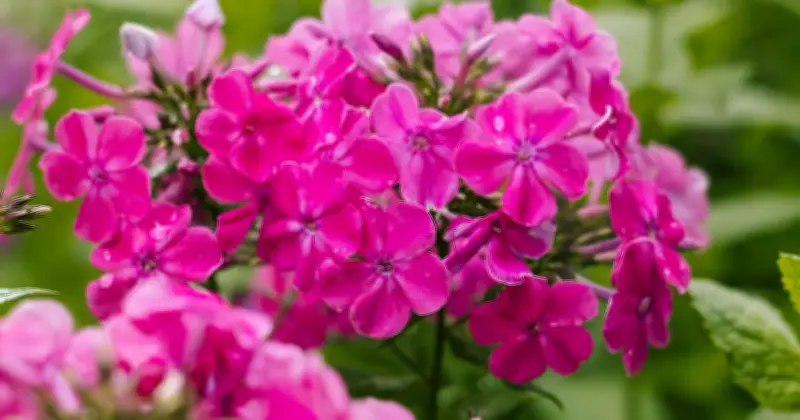
Gardeners are being encouraged to deadhead their plants this July to keep gardens blooming longer. The Royal Horticultural Society (RHS) advises that removing faded flowers regularly encourages many plants to produce new blooms instead of directing energy into seed production.
Why Deadheading Works
Deadheading involves removing flowers once they begin to fade. This simple task keeps beds, borders, pots and hanging baskets tidy while helping popular garden plants continue flowering for weeks. The RHS recommends removing spent flowers as soon as they look past their best.
How Often to Deadhead
Fast-growing summer bedding plants may need deadheading every day, but many perennials only require attention once a week or every couple of weeks. Missing a few days is unlikely to make a significant difference.
How to Deadhead
For most plants, you can pinch off the faded flower and its stalk with your fingers. Plants with thicker or woody stems are best trimmed using secateurs or garden scissors, cutting just above the next healthy leaf or bud.
Plants That Benefit
Many favourites respond well to regular deadheading, including petunias, pansies, roses, pelargoniums and lilacs. Some plants, such as hardy geraniums, catmint and lady's mantle, can even produce a second flush of flowers after being cut back once they have finished blooming.
Additional Benefits
The RHS notes that deadheading offers several benefits beyond encouraging new flowers. It prevents petals from falling across the garden, keeps displays looking neat, and stops vigorous plants from self-seeding where they are not wanted.
When Not to Deadhead
Not every plant should be deadheaded. Gardeners may want to leave flowers on sunflowers, rudbeckias and cornflowers if they wish to provide seed for birds later in the year. Many roses are best left untouched if you want them to develop colourful hips during autumn.
Some plants, including fuchsias, salvias and bedding lobelias, naturally shed their faded flowers, so there is little need to remove them by hand. For most flowering plants, making deadheading part of your regular gardening routine throughout July can help keep displays looking their best and ensure continuous flowering well into the rest of summer.