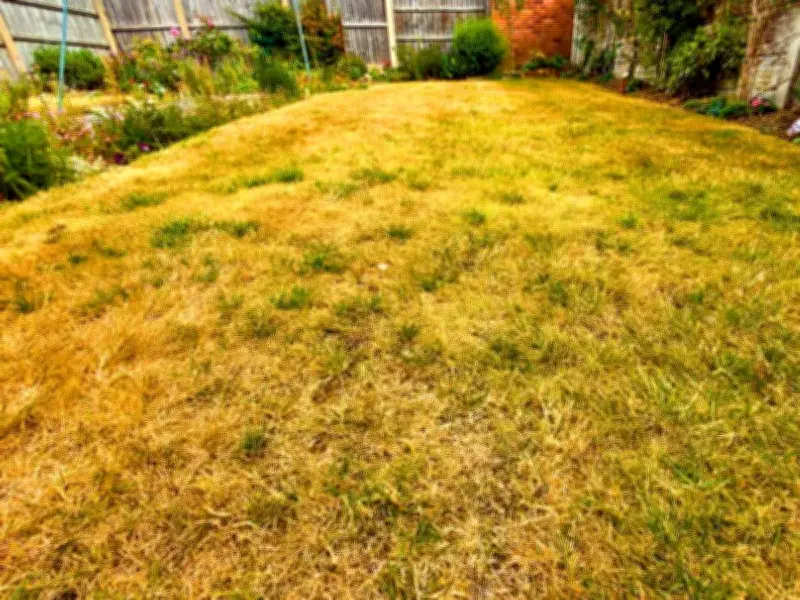
Many lawns across the UK have turned yellow and dry after the country endured its driest summer in more than a century. With rainfall finally returning, gardeners are attempting to restore their greenery before autumn sets in.
Robbie Lynn from Premier Lawns has revealed that the most effective way to help a lawn bounce back is to aerate the soil first, rather than concentrating on the grass itself. This allows more rainwater to reach the roots.
Aeration key to drought recovery
Lynn said: "My starting point in a drought recovery program is the soil. I want to break that hard surface and get water and nutrients down to where the roots are."

Aeration is the straightforward gardening technique of creating small holes in the soil beneath the grass, permitting more water to access the root system and maintaining proper hydration. Drought-affected lawns are likely to be compacted, meaning the soil has become extremely hard and parched, forming a dense surface layer that can prevent water, oxygen and nutrients from penetrating the ground.
Without sufficient water reaching the grass roots, they will struggle to develop properly or retain adequate moisture, leaving the lawn exposed should another dry period strike. Shallow grass roots are also unable to store enough energy, which can impede growth and make it harder for the lawn to recover once cooler autumn weather arrives.
How to aerate a lawn after a drought
The most straightforward method of aerating a lawn is with a garden pitchfork, though lawn aerator shoes with large spikes that puncture the soil as you walk across the grass can also be used. For larger gardens, a hollow-tine aerator that extracts small plugs of soil from the ground may be worth considering. For most lawns, however, a pitchfork should be adequate, and many gardeners are likely to already own one.
To start, it is advisable to select a day following rainfall to aerate the lawn. This will loosen the soil slightly and make it more manageable, but avoid aerating while rain is still falling, as this could result in a waterlogged, muddy lawn.
Drive the pitchfork into the earth to a depth of approximately 10 centimetres. Rock the fork back and forth to loosen the soil, then pull it out. There is no requirement to lift or turn the soil. Continue this across the lawn, aiming to space the holes roughly 10 centimetres apart. Pay particular attention to sections of grass that receive heavy foot traffic, feel especially compacted, or where water seems to be gathering on the surface.
Post-aeration care
Leave the holes exposed until the next rainfall. The water should then be able to penetrate further into the soil and reach the roots more efficiently, giving the lawn a greater chance of producing lush, green grass before autumn.
Once the lawn has been aerated, applying a tonic can be beneficial, particularly a seaweed treatment. However, it is strongly advised to avoid using any fertilisers in late August, as this can place unnecessary strain on an already vulnerable lawn and risk scorching the grass should temperatures rise once more.