Gardeners are being urged to take action now to stop common pests from causing damage to plants and lawns over the colder months. As temperatures start to fall, a number of garden pests begin settling in for winter, with some hiding beneath lawns, soil and compost until conditions warm up again.
Plant pest expert Tessa Cobley, owner of Ladybird Plantcare, has warned that autumn can be an important time to tackle the problem, as damage may not become obvious until months later.
Five ways to get ahead of overwintering pests
From slugs hiding in damp areas to vine weevil larvae feeding on roots, there are five common pest problems gardeners should look out for this autumn.
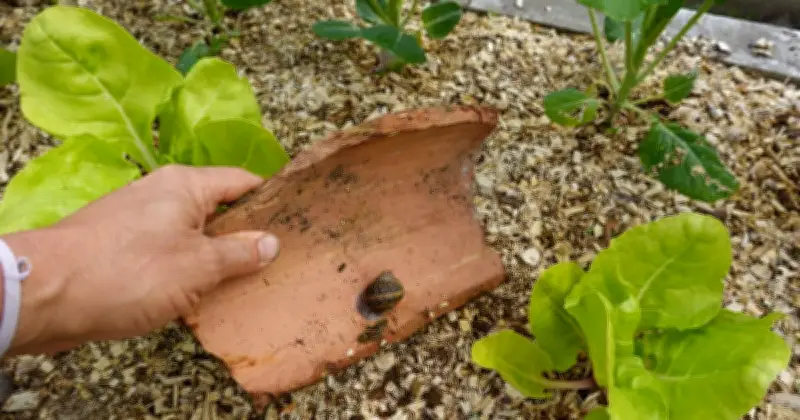
Slugs can remain active during damp autumn weather and may lay their eggs in moist soil, compost and sheltered areas around the garden. Young slugs can then survive over winter and continue developing before becoming more active again when temperatures rise in spring. Gardeners can make outdoor spaces less inviting by clearing away excess plant debris and other damp hiding places where slugs are likely to shelter.
Check pots and lawns for hidden larvae
Another pest to watch out for is vine weevil larvae, which can spend autumn and winter hidden beneath the surface of compost and feeding on plant roots. One warning sign is a plant that appears to be wilting even though its compost is still moist. Gardeners who spot this can gently check around the roots for creamy-white grubs with brown heads.
Lawns can also be targeted by leatherjackets and chafer grubs, which live beneath the surface and feed on grass roots. Birds repeatedly pecking at the lawn can be one indication that grubs are present, while loose patches of grass underfoot could also signal a problem.
Inspect houseplants and use biological controls
Anyone who has kept their houseplants outdoors over summer should give them a thorough check before moving them back indoors. Gardeners should look underneath leaves, around stems and in the joints of plants for signs of aphids, spider mites, thrips and other pests.
Some pests can be easier to control while they are still at the larval stage and living in the soil. Tessa recommends using targeted biological controls where appropriate, including beneficial nematodes for vine weevil larvae, leatherjackets and chafer grubs, before colder temperatures slow down pest activity.
While many overwintering pests can be difficult to spot, checking plants, pots and lawns now could help prevent a bigger problem once the growing season returns.