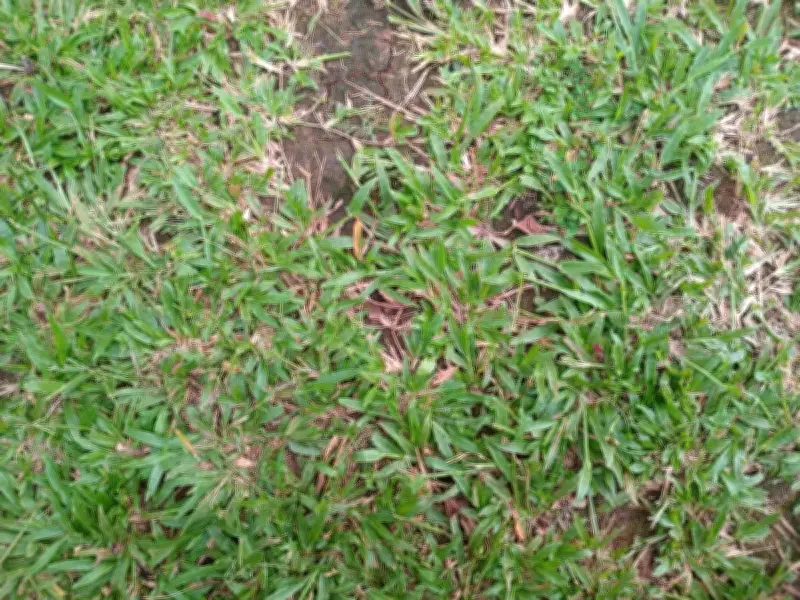
Gardeners are being urged to overseed their lawns this week, as late August offers a key window to help patchy grass become "thick and green" before the cooler months arrive.
August is a critical period for lawn maintenance, with warmer temperatures beginning to give way to cooler conditions. After the hot summer months, lawns can appear parched, sparse, and patchy and require care.
With soil temperatures remaining warm and moisture levels beginning to rise, late summer provides the perfect opportunity to help grass recover and prepare for the coming months. A handful of straightforward tasks now can promote stronger, healthier growth and leave your lawn better positioned to withstand autumn and winter.

Why overseed before September
One of the most beneficial jobs to complete before September arrives is overseeding, which can help fill in thin patches and revitalise a weary-looking garden.
According to Garsons, the "ideal" times to overseed lawns are during springtime, from March to early May, and in late summer, at the end of August. That said, they noted that autumn was "by far" the optimal time to overseed, owing to the more favourable weather conditions.
How to overseed your lawn
The specialists explained: "Start by removing weeds and any fallen leaves in the way. You can also use a scarifier to remove moss if needed."
"Mow the lawn on a low setting and remove all clippings. Aerate your soil by forking holes into the lawn and adding a thin dressing layer over the area to be seeded. This only needs to be very thin and is called topdressing."
"Sow your seeds as per the packet instructions and lightly rake to ensure the seeds are in contact with the soil. Lightly press down, walk or pat the area."
Caring for the overseeded lawn
It is crucial to ensure the grass seeds remain moist, as they require adequate hydration to germinate and thrive. Water gently using a fine rose attachment to prevent the seeds from being displaced.
The experts noted: "Your lawn will need mowing, but start low in spring and raise the setting. For newly sown seeds, make sure the grass is at least 5cm to 8cm before you cut on a high setting."
"Keeping a nice lawn is one of the greatest pleasures, and it doesn't have to be as hard as it looks. Overseeding will definitely help to keep it thick and green."
If grass is struggling to grow, the RHS (Royal Horticultural Society) advises treating it with an autumn fertiliser rich in potassium and phosphorus, which will promote resilience and strengthen root development.