
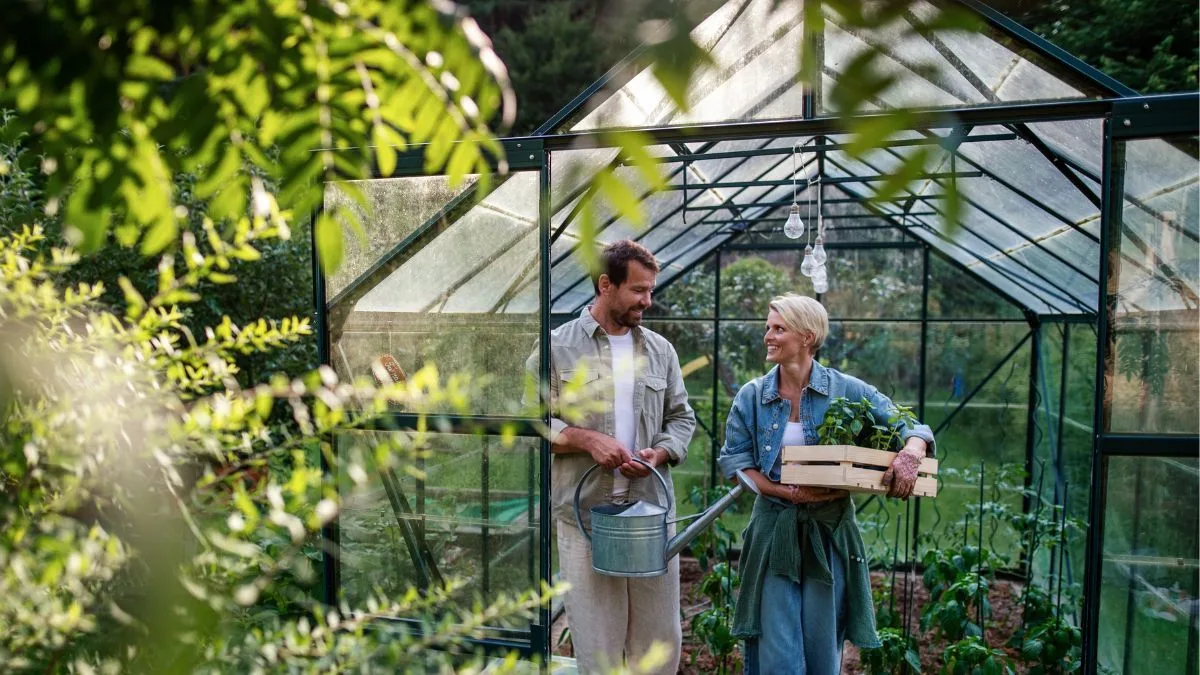
Following the havoc wreaked by Storm Goretti, many Britons are seeking affordable ways to protect their gardens from future extreme weather. Windbreak netting has emerged as a popular solution, offering a cost-effective method to safeguard greenhouses, plants, and outdoor structures from high winds, frost, and excessive sun.
Made from high-density polyethylene monofilament, this netting is strong and versatile. It can be used for garden privacy screens, fish ponds, tree protection, seedling protection, greenhouse doors, growing frames, shading, and fencing. Its reinforced knitted eyelets every 5cm along the top and bottom edges make installation straightforward with rope, cord, straining wire, cable ties, or netting clips.
The netting provides year-round protection: it reduces heat loss in greenhouses by 5–7%, offers 40% shade value, and cuts wind by 50%. It keeps glass or plastic panes in place during gusts, minimising damage to plants. It also defends against rain, hail, and frost in winter, and shields plants from scorching summer sun.
Customers have praised its effectiveness. One buyer in Cornwall called it an “excellent windbreak and shade for plants,” while a customer in Lancashire noted it “made an instant difference” in blocking wind. Another grower with an exposed seaside allotment was pleased with the results, highlighting the easy-to-secure buttonholes and reasonable price.
The netting is available in various sizes, with a 1.5m x 5m option priced at £19 on Amazon. Alternatives can be found at The Range from £10.99 and B&Q for £12.99, making it an accessible choice for gardeners across the UK.




