Gardeners are being urged to act before late autumn and carry out one vital task which will keep their lawn healthy, green and thatch-free. It's the bane of many gardeners trying to keep their grass lawn looking perfectly green – but a lot of people probably don't even know what 'thatch' in their lawn is – even though it's damaging their lovely garden space.
What is lawn thatch and why it matters
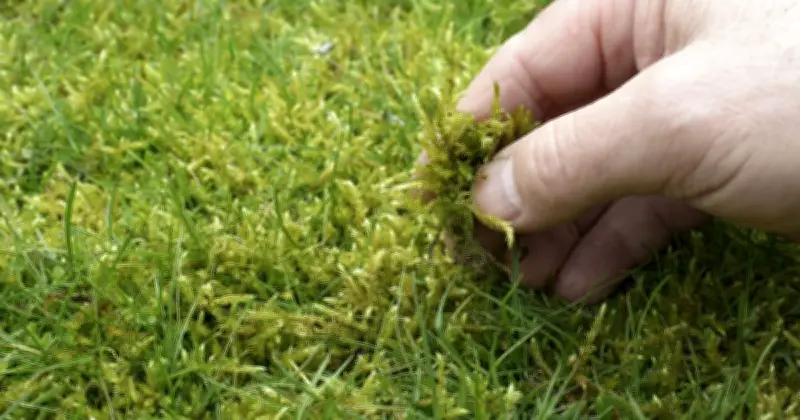
Keeping a lawn healthy isn't just about mowing it and weeding it, but in fact, there's an entire extra dimension to caring for your grass, say garden experts, when it comes to dealing with thatch. Thatch is a spongy layer of dead organic material, such as dead grass stems, leaves and roots, which builds up between the soil and the growing grass blades.
Though thatch is a normal and natural part of a lawn that needs to be there, leaving too much thatch without managing it at all can end up choking your lawn and killing the grass, encouraging the spread of disease and pest infestations.
How much thatch is too much
According to The Relentless Gardener, run by plant nutrition expert Matt Adams, any more than 1cm of thatch in a lawn is too much, but you can “remove lawn thatch in under 10 minutes.”
He says: “In fact up to 1cm (1/2 inch) or less of thatch can actually benefit the lawn. If you have more than that, you'll want to take action.
“There are light ways to remove thatch and more intense ways. Of course, the more intense way requires a bit more work either side of the actual de-thatching process, including overseeding and possibly a layer of top dressing.
“Whereas if you only have a bit of thatch, which is likely the case if you keep on top of your lawn, then a bit of light de-thatching will have much less hurtful impact on the turf itself.”
How to remove thatch
The cheapest and easiest way to deal with thatch is raking it out by hand. Often called 'scarifying', this is when you rake out excess dead matter between the living grass. You can even buy specialist scarifying rakes and tools dedicated to this one job, but if not, a standard metal tine rake can do the job reasonably well.
If you want to go one step further, electric scarification with a dedicated machine is much easier and quicker. An electric scarifier can be bought in most homeware or garden centre stores, and will do more than a simple hand rake to rip out excess thatch.
When to de-thatch
But you must tackle thatch before it's too late. If you didn't do it in the spring time, you must act before 'late autumn' says Adam, because doing it when the weather turns cold will put the lawn under too much stress. He added: “Some people warn against de-thatching in the spring because they feel it can hurt the grass layer more than benefit it. I have done it in Spring and then seeded and the outcome was great. You definitely don't want to do it in the late autumn or winter because the grass is already under enough stress and won't grow back well.”
This is backed up by Gardeners' World, which also extolls the virtues of scarifying lawns. They say: "If your lawn has developed lots of bare patches or moss, you probably need to scarify it.
"Scarifying a lawn is simply the process of removing dead thatch (the brown material found beneath the green grass blades). A small amount of thatch is a good thing in lawns, but in large quantities it can inhibit growth of new grass, prevent water and nutrients from reaching the roots, and encourage moss to form.
"To scarify a lawn you will need a rake or scarifying machine. You, in effect, scratch the grass to remove the thatch – it can look unsightly initially but if you trust the process you'll have a lush, green lawn in no time."