
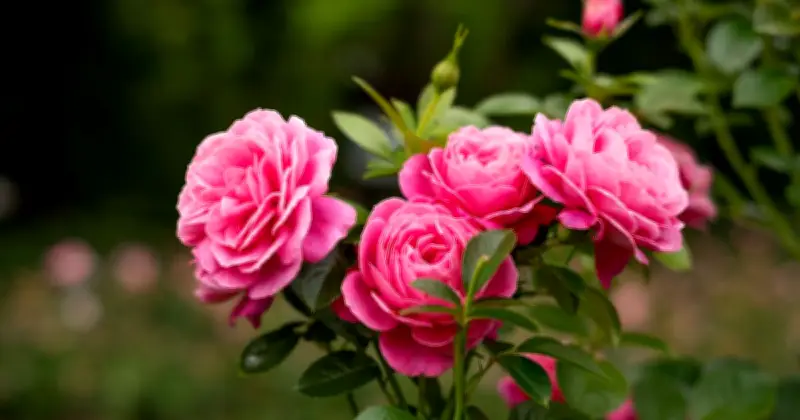
Roses are a classic and beautiful addition to any garden, brightening up spaces with their wide array of colours. Gardeners may have noticed their roses have already begun to bloom, and there is a simple task that can encourage the plant to keep growing bigger and better flowers throughout summer and early autumn: deadheading. This process is surprisingly easy and does not take much time. However, gardening expert and TikTok creator Michael Griffiths claims many gardeners are deadheading incorrectly.
The Two Steps of Deadheading
In a recent video, Michael said: "Do you know there are two steps to deadheading roses, but most people stop at step one." The first step involves removing spent or wilted roses. Simply cut away the rose head at the base where it meets the stem. This can be done for individual blooms that are finished, leaving other flowers behind.
The second step is what encourages roses to grow back repeatedly throughout summer. Michael explained: "When the entire flower cluster has finished, cut back to the first strong leaf with five leaflets. This simple rose pruning technique encourages vigorous new shoots and repeat flowering."
How to Perform the Second Cut
If you have a cluster of roses, find where it finishes. Then follow the stem down to the next set of five leaves — it must be five. Cut the stem just above this cluster. This diverts energy away from spent flowers and toward stronger buds. Michael said: "Now you have a stronger bud which encourages more flowers." Allow these buds to flower until spent, then repeat the process. You will not need a serious prune until later in the year.
Additional Benefits of Deadheading
Sometimes you can deadhead individual roses by simply pinching off the spent flower. Another bonus is that deadheading reduces the chance of fungal infections. The sooner you deadhead, the sooner new flowers appear, as energy is redirected to buds. Deadheading also neatens rose bushes.
The Royal Horticultural Society recommends deadheading regularly, regardless of the season. For hybrid tea roses, gently snap the faded flowers off just below the head to encourage more blooms quickly. For other roses, snip off individual flowers or clusters down to just above the next leaf. To prevent petals from scattering, cup each flower in your hand before cutting.




