A gardener has cautioned homeowners against using landscape fabric, a popular weed-suppressing material, warning that it can damage plants and soil in the long run.
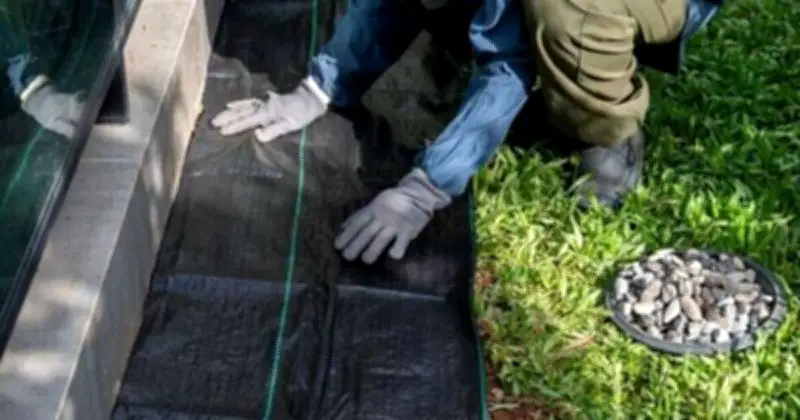
The warning was shared by Gabriella the Garden Sage on Facebook, who posted photographs of kniphofia plants with squashed, stunted roots that were unable to push through a layer of landscape fabric buried beneath several inches of mulch. She explained that while mulch ordinarily decomposes and enriches the soil with vital nutrients, the fabric acts as a barrier, preventing those benefits from ever reaching the clay soil beneath.
Builders and landscape companies promoted the material
In the caption accompanying her post, she wrote: "Builders and landscape companies convinced homeowners to roll out acres of the stuff, extolling it as a key tool to make landscaping low maintenance and weed free. Not to mention that weeds grow quite happily on top of the fabric!"

She added: "For the sake of your plants, your soil, the planet, and your friendly local garden sage, just say no to landscape fabric!"
Numerous gardening enthusiasts left encouraging comments on Gabriella's post. One remarked: "Yup. Our backyard is full of the stuff, it's so frustrating!" Another revealed: "I have had decent luck with either layers of newspaper or cardboard, then mulch on top. Weed suppression lasts about two years with this method." A third supported Gabriella as they wrote: "Exactly!" A different Facebook user observed: "Wow! That's good to know! How about laying newspapers down?"
Alternatives to landscape fabric
While landscape fabric may appear to be a straightforward solution to eliminate weeds from your garden, numerous experts warn that it frequently creates more difficulties than it resolves. It can impede root growth, starve the soil of oxygen and water, and ultimately become a nuisance when weeds begin sprouting on top. Getting rid of it is no simple matter and can require hours of back-breaking work.
Instead, homeowners could explore more environmentally sound and soil-friendly alternatives, such as transforming their lawns with native plants, clover, buffalo grass, or choosing xeriscaping - which entails replacing lawn with soil, rocks, mulch, or native plant species. Such alternatives not only cut down on maintenance and reduce water consumption, but also provide vital support for pollinators - essential insects that play a crucial role in our food supply. Even transforming just a section of your garden can save both time and money, while improving soil quality and encouraging a healthier, more balanced ecosystem.