Gardening expert Michael Griffiths has advised gardeners not to throw away old compost, sharing a simple method to revive it for reuse. The tip comes as August marks an ideal time to refresh garden beds ahead of autumn crops.
How to revive old compost
In a recent video, Griffiths urged people to avoid binning old compost, explaining that it can make a big difference to a garden if handled correctly. He said: "Don't throw away last year's compost. Do this so you can use it again."
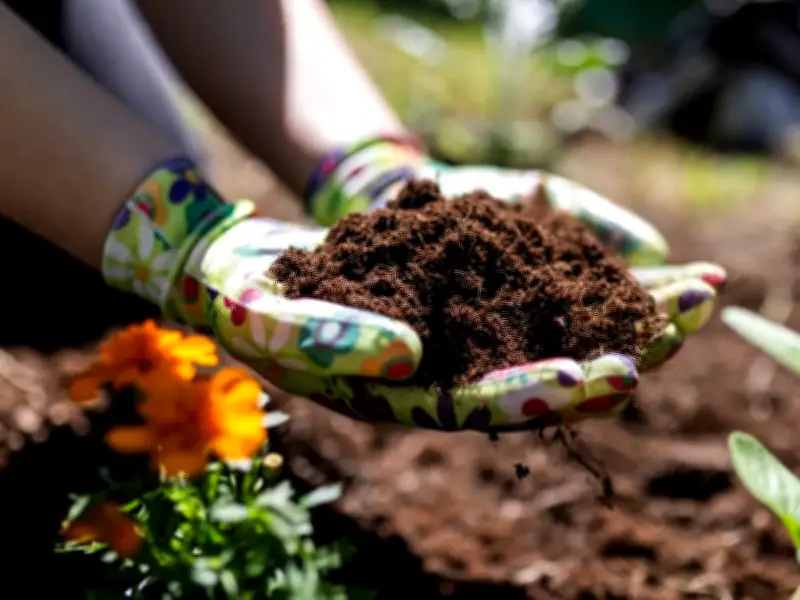
His method starts by tipping the old compost into a tray and removing any old roots, weeds and stones. The compost should then be broken up until it is crumbly, before adding a handful of general purpose fertiliser.

He added: "Add some fresh compost or well-rotted manure to liven it up. One part fresh to two parts old is a good rule of thumb. Give everything a mix so it all blends together and your compost is ready to go."
Why reusing compost matters
Reusing old compost saves money, reduces waste and improves the structural quality of garden soil, provided it is free from disease. Spent compost works well as a soil conditioner, helping to aerate heavy clay soil and improve water retention in sandy ground.
Old or compacted compost can also serve as a winter mulch or top dressing, suppressing weeds and sealing in moisture around established plants.
Public reaction
Following Griffiths' advice, several people shared their thoughts in the comments. One person said: "Why on earth would anybody throw it away? What a waste!" Another wrote: "I put mine in the garden waste bin." A third commented: "I usually mix in around 25% fresh compost and fertiliser every year."
One commenter asked how often compost should be changed in tubs and containers, noting some had been in place for years. According to reports, it should be replaced every one to two years, but immediately if the previous plant was affected by pests or disease.