
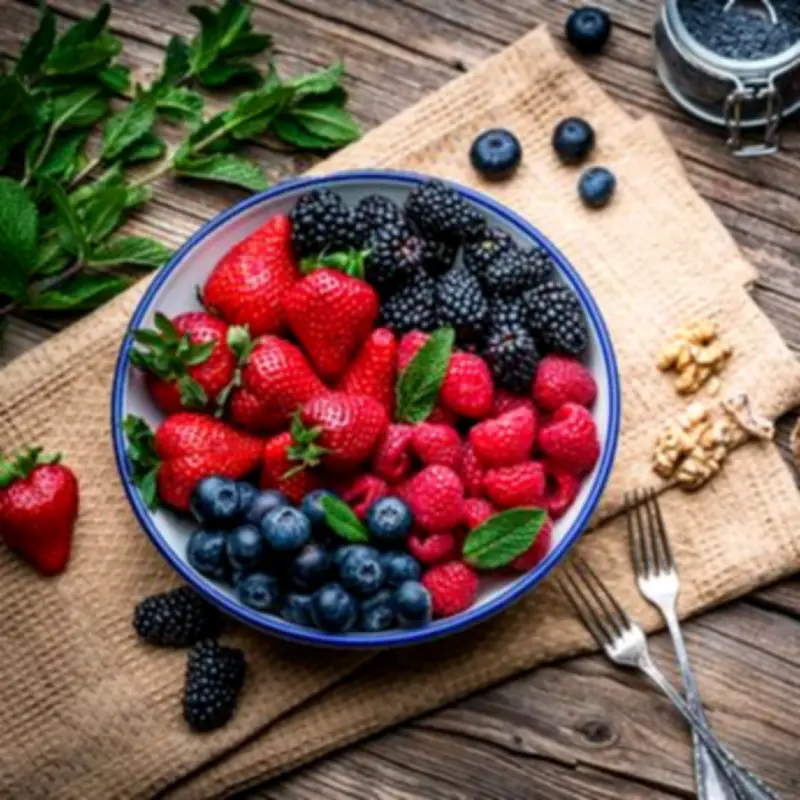
Choosing certain fruits and vegetables can significantly reduce the risk of heart disease, according to new research from the University of California Davis. The study, conducted in collaboration with the University of Reading and Harvard Medical School, tracked the diets of more than 30,000 people across the UK and the US.
Flavanols Are Key
The fruit and vegetables that offer the most protection are those high in flavanols, natural compounds linked to lower rates of heart disease. Study leader Dr Javier Ottaviani emphasized that quantity matters: consuming at least 500mg of flavanols daily can significantly reduce the risk of dying from cardiovascular disease.
“Most people assume that eating plenty of fruit and vegetables covers this, but what this research shows is that the specific choices you make matter far more than the total amount,” Dr Ottaviani said. “Including a handful of blackberries, a whole apple or having a cup of green tea alongside your meal could make a real difference.”
Flavanol Content in Common Foods
- Plums (500g, roughly one punnet): approximately 450mg of flavanols
- Cranberries (250g, roughly one punnet): approximately 300mg
- Blackberries (200g, roughly one punnet): approximately 250mg
- Green tea (one 250ml cup): approximately 200mg
- Broad beans/fava beans (80g, a small handful): approximately 140mg
- Cherries (400g, roughly one punnet): approximately 130mg
- Apples with skin (200g, one medium apple): approximately 110mg
- Strawberries (200g, roughly one punnet): approximately 90mg
- Blueberries (150g, roughly one punnet): approximately 80mg
- Pinto beans (40g, two tablespoons dry): approximately 70mg
Implications for Dietary Guidelines
The findings raise the question of whether dietary recommendations such as “five-a-day” should be more specific about which fruits and vegetables to eat. Professor Gunter Kuhnle of the University of Reading said: “Five-a-day is the right message, but we may need to think more carefully about which five. Different fruits and vegetables offer very different nutritional benefits beyond vitamins and minerals, and as our understanding of these compounds grows, there is a real opportunity to make dietary guidance more specific and more effective.”
The research was published in the journal Food and Function.




