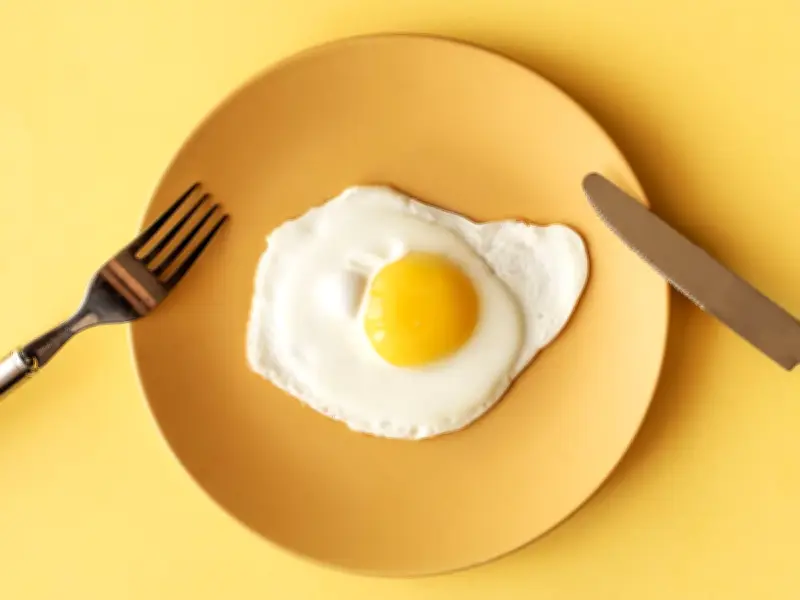
Fried eggs are a versatile staple, gracing everything from a full English breakfast to salads, burgers, croque Madame, or noodle stir-fries. While they seem simple to prepare, achieving the perfect fried egg—with a gently set white and a runny yolk—can be elusive.
Freshness Is Key
The secret to a thick, flavorful fried egg lies in one simple step: using the freshest eggs possible. According to BBC Good Food, "The fresher an egg, the stronger the proteins are in the white, which means the egg will form into a neater shape in the frying pan. Old eggs will spread out very thinly." Checking the freshness of your eggs before cooking can prevent flat, disappointing results.
Choosing the Right Fat
The type of fat used for frying also influences flavor. For a classic full English breakfast, bacon fat or butter adds richness. For more indulgent dishes, olive or rapeseed oil works well. When frying eggs for Asian dishes like nasi goreng or dhal, coconut oil imparts a subtle complementary flavor.
Step-by-Step Method
To make a perfect fried egg, start with one fresh egg at room temperature and a small knob of butter or one tablespoon of oil. If using butter, warm it in the pan until melted but not browned. For oil, simply heat it. Crack the egg onto a small plate or saucer—never directly into the pan—to avoid shell fragments. Gently slide the egg into the pan. Cover with a lid and cook on low heat for three minutes. Check if the white has set; if not, continue cooking for another 30 seconds. The whites should be fully set while the yolk remains runny. Season and serve.