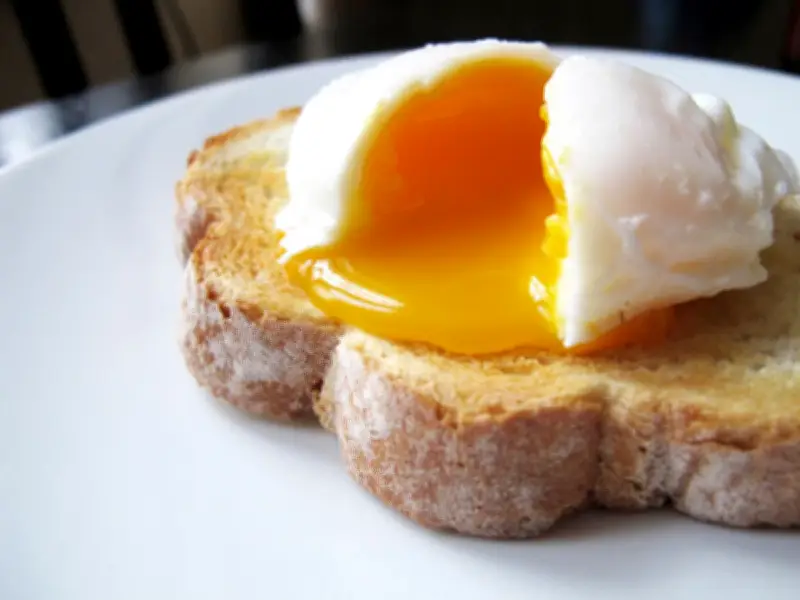
Michelin-trained chef Poppy O'Toole, known as Poppy Cooks, has shared a simple preparation trick that can transform poached eggs: store them in the fridge before cooking. Widely considered one of the hardest basic egg dishes to master, poached eggs often present challenges, with many cooks struggling to keep the whites together while achieving a perfectly runny yolk.
Why Fridge-Cold Eggs Work Best
According to O'Toole, preparation is key. While some people store eggs in the cupboard, she recommends placing the eggs you plan to poach in the fridge beforehand. She explained: 'When I know that I'm going to do poached eggs, I will keep eggs in the fridge because a fridge-cold egg is going to be better to poach. The egg whites all stay together a little bit more. It's the proteins, the lecithin in the egg when it's cold, it stays together a little bit more.' The chef advises putting the eggs in the fridge the night before you plan to cook them, ensuring they are 'fridge-cold' before they hit the pan.
Additional Tips for Perfect Poached Eggs
O'Toole, in partnership with Nanna Tate, also recommends adding a few drops of vinegar to the water when cooking poached eggs. According to various food experts, this helps the egg whites set more quickly, resulting in a neater and more compact poached egg.
Scrambled Egg Advice
For those who prefer scrambled eggs, O'Toole shared her tips for achieving the perfect texture. Often prone to becoming overcooked, she believes less is more when it comes to timing. 'You kind of take them off the heat quite early on and let them sit in the pan. The heat in the pan will continue cooking [them], the residual heat.' If you're looking to impress someone with an elevated egg dish, she recommends trying the silken method. Popular in Chinese and Japanese cooking, silken eggs are cooked slowly over a low heat, with constant gentle stirring to create tiny, soft curds that remain glossy and creamy.
Silken Eggs for a Special Touch
'They are so good,' she said. 'So they're almost cooked but they're under-cooked, if you know what I mean. They've got this lovely silkiness to them. The egg is cooked, it's just runny and wobbly, and delicious and it's just buttery, loveliness.' 'I've done that before in restaurants,' she added. 'I did I used to do breakfast shifts and the a bit of crème fraîche in your scrambled eggs is actually delicious.'
The Great Egg Storage Debate
This advice comes after four chefs weighed in on the long-running debate over where eggs should be stored, with one method proving to be the clear favourite. While O'Toole alongside chef Jeremy Pang said that both cupboard and fridge are good for storage, Mike Reid argued that they should only ever be put into the cupboard. 'Eggs are basically tiny sponges. Park them in the fridge and they'll happily soak up last night's curry. Nobody asked for garlic custard,' he shared. 'So, cupboard, cool, out of direct sunlight, pointy end down. Done.' Soho restaurateur Nima Safaei and HelloFresh's Mimi Morley however believe the fridge is the best option for keeping them fresher for longer.