Frances Tophill on cost-effective gardening
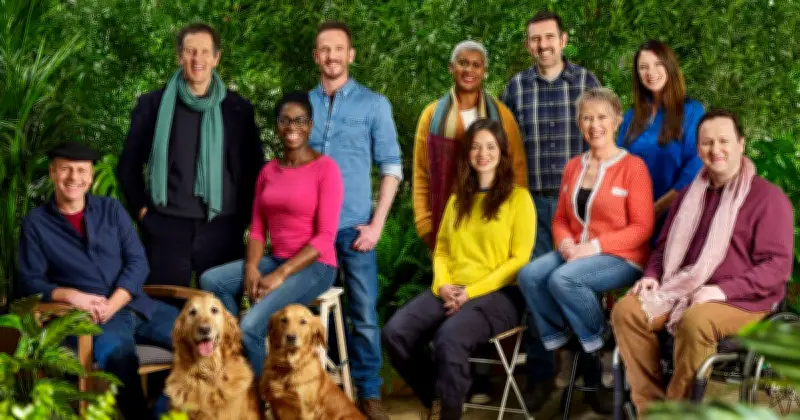
A member of the BBC Gardeners’ World team has spoken about the cost of living crisis and plants — while revealing some of the most cost effective ways to do gardening. Despite budgets being tight for families, many people still want to add to their gardens and keep them looking as plush and lush as possible. With this in mind, one of the presenters was asked on the BBC Gardeners’ World Magazine podcast whether there were any plants she thought weren’t worth spending money on or were far more expensive than they really should be.
The presenter in question was Gardeners’ World favourite Frances Tophill who was frank in her assessment of what people should and shouldn’t be spending their money on when it came to plants.
Supermarket herbs 'a waste of money'
She responded: “I mean basically any potted plant in the supermarket that’s a herb. I really wouldn’t waste your money on those. If I buy them, I buy them already cut, because basically you’re buying a potted plant that you’re going to immediately be cutting down, throwing away the compost, and then having another flower pot that don’t know what to do with.
“I think coriander, basil, thyme, anything like that, they’re so stressed out by being sown so thickly. They’re all tiny little seedlings all out competing each other.
“So, if you buy them, you’re best off trying to divide them and make many, many, more plants, basically pricking them out because they are tiny seedlings.”
Seeds as a cheaper alternative
Instead Frances recommended an alternative, one which would be more cost effective and mean people wouldn’t be wasting their money. She recommended: “But I think it’s more cost effective to just buy a packet of seeds and sow them, especially with things like coriander, they grow so easily from seed.
“And they like to be in a cluster, but not quite as densely as you find them in the supermarkets. If think they are probably a waste of money if you’re wanting to buy a plant.”
Frances also suggested going to the garden centre, but even this comes with its own set of financial and time-based caveats. Using the example of cabbages, Frances explained: “You’re much better off going to the garden centre and buying a little plug of veg.
“Although I do have to say, I’m a big veg grower, but when you’re buying little cells of nine or 12, they are really overpriced. Say its cabbages or something, you could easily pay between five and eight pounds for a little cell of maybe six cabbages.
“The reality is you’re going to plant those cabbages, many will get slugged. If they don’t get slugged they’ll get caterpillared. You’re going to be watering them, fertilising them, covering them with netting which you have to also buy.
“If you get a crop at the end, it will probably be quite small. Maybe not, maybe they’ll be amazing cabbages, but actually you could have bought six cabbages for less money then you spent on the plants and you’ve spent all that time also looking after them.”