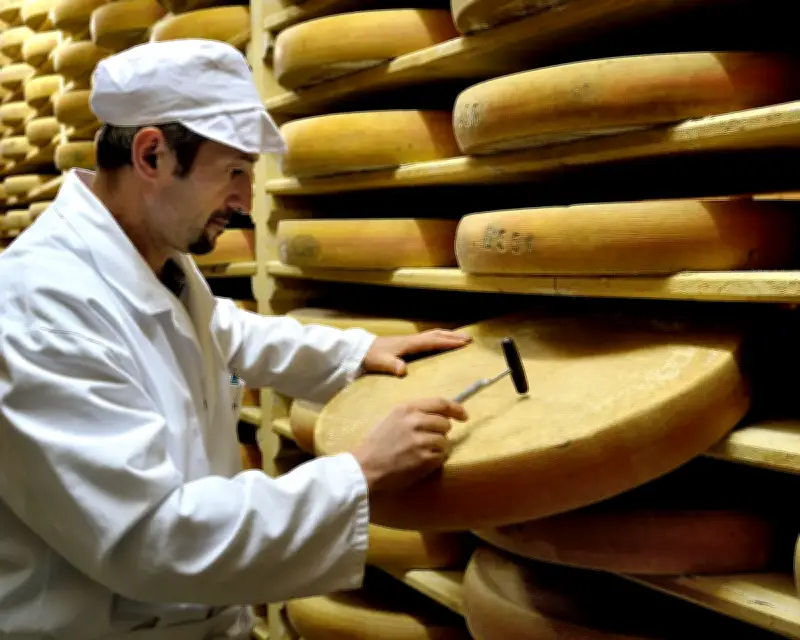
France has temporarily relaxed the production rules for three of its most famous mountain cheeses — Comté, Beaufort and Abondance — as a severe drought curbs the growth of Alpine pastures that the cheeses depend on.
Drought-Driven Rule Change
The move allows producers to feed their cows additional hay and other stored fodder beyond the usual limits imposed by the cheeses' protected designation of origin (PDO) status. Normally, cows producing milk for these cheeses must graze on fresh pasture during the summer months.
The French authorities approved the exemption after an exceptionally dry spell left pastures parched and unable to sustain the herds at their usual level. The decision applies to the current production season and is designed to prevent a drop in output while maintaining the cheeses' traditional characteristics.

Impact on Alpine Cheesemakers
For cheesemakers in the Jura and Savoie regions, the exemption offers a practical lifeline. Without it, they would have faced the choice of reducing herd sizes or losing the right to use the protected names for their produce.
The relaxation is not without precedent; similar measures have been adopted in previous dry years. However, the frequency of such exemptions has increased in recent seasons, reflecting the growing pressure that climate change places on traditional agricultural systems.
Preserving Quality and Supply
Officials stress that the change is temporary and strictly monitored. Producers must still comply with the core standards that define the identity of each cheese, including the use of specific milk types and ageing processes.
The goal is to keep supply stable for consumers while protecting the livelihoods of small-scale Alpine dairy farmers. The exemption will remain in force until the end of the grazing season or until pastures recover, whichever comes first.