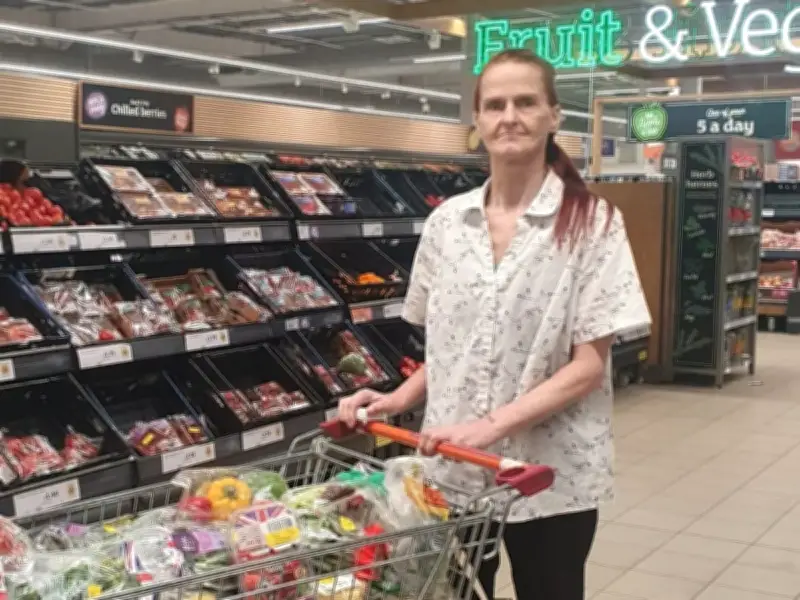
Teresa Kemp, 51, from Newcastle-under-Lyme, has turned her life around after spending more than a year sleeping rough and using crack cocaine. She is now a Food Waste Hero for Olio, a money-saving app that connects people with free food, clothes and other items as part of a waste-busting movement.
Ms Kemp has made more than 800 collections from supermarkets in her area, taking surplus food that would otherwise end up in waste streams and redistributing it across her community. Her involvement follows a major personal transformation, overcoming years of adversity including 18 months of homelessness.
From care and addiction to volunteering
Speaking to the Mirror, Teresa said she spent her childhood in care from the age of 12 and occasionally got into trouble. She said: "I ended up getting into trouble with the police. Just minor things, nicking cars. And then I ended up on heroin and crack cocaine."

Teresa said she used drugs until quitting in the 2010s and has been clean for the last 12 years. She was homeless for longer, spending 18 months sleeping rough under bridges and in scrapyards during the pandemic. In 2020, she downloaded the Olio app on a whim, initially knowing nothing about Food Waste Heroes, Olio's volunteers who pick up unsold surplus from businesses.
How Food Waste Heroes work
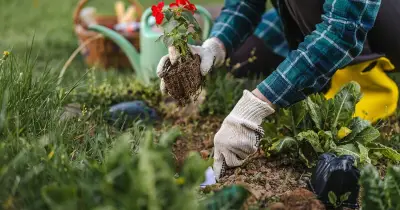
Food Waste Heroes are sent to various businesses, including convenience stores, catering sites, hospitality firms, and supermarkets. The app conducts ID verification to ensure each hero is genuine. Once cleared, they take surplus food home, photograph what they've recovered, and list it on the app for users to request and collect.
Their efforts help reduce the significant food waste in the UK, with data from the Waste & Resources Action Programme (WRAP) showing British households waste between 9.5 to 10.7 million tonnes of food each year. Teresa started volunteering in 2024 after getting a flat, and since then has made nearly 800 collections and taken on a role as squad captain for three stores: Holland & Barrett, Boots and Sainsbury's.
Personal and social impact
Squad captains lead teams of Food Waste Heroes and keep collections running smoothly. Teresa said the network has provided a huge social boost: "Since doing Olio, I've lowered on my medication for my mental health. And the friends I've made... it'unbelievable," she said. She added that she and other users have become a close-knit group calling themselves the "Golden Girls".
She added: "Now, instead of sitting in a flat, I can chat with people on WhatsApp, I can go out." She also noted: "I've also lost close to four stone as I am so much more active than I used to be. It's been a huge improvement to my health. I can genuinely say that volunteering with Olio has changed my life. I'm doing something meaningful, helping others, and I finally feel proud of myself."
Olio measures its social value
Olio has begun measuring its development by assigning a monetary value to its social impact. Using MeasureUp, an open-source analysis framework, Olio found it has made a £1.1 billion impact since launching in 2015. More than £380 million of that total, the organisation said, comes from improved mental wellbeing, volunteering and physical activity, and came in 2025 alone.
Of its 9.3 million users worldwide, Olio says 65 percent have made new friends through sharing, 75 percent have improved their mental health, and 84 percent have reported improved financial wellbeing. Tessa Clarke, Co-founder and CEO of Olio, described the app as a "movement", adding: "When we started Olio, success was measured in meals shared and carbon emissions prevented."
She continued: "But over the years we realised something even more profound was happening. People told us they were making friends through Olio, feeling less isolated, becoming more physically active and finding purpose through volunteering. Those stories mattered every bit as much as the environmental impact, but until now we'd never been able to quantify them."

Clarke added: "Businesses have become very good at measuring financial performance and, increasingly, environmental impact. I hope this is the beginning of a much wider movement towards measuring social value too. Because if we're serious about reimagining the role of business in society, we need to start recognising and rewarding the businesses that create the greatest value for people, not just the greatest returns for shareholders."