
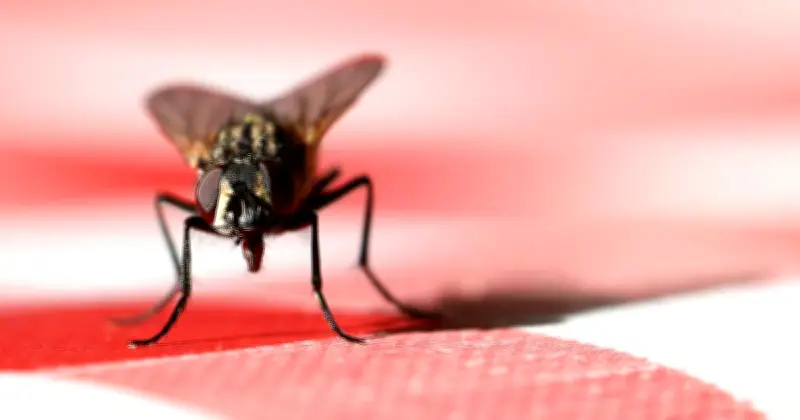
Flies are a persistent nuisance, especially in kitchens where they can contaminate food and spread diseases. 2026 has been particularly bad due to a June heatwave that saw temperatures hit 37.7C, breaking previous records by over two degrees, creating ideal breeding conditions.
Wasp decline worsens fly problem
This year's wet spring and late May frosts have killed off many queen wasps, reducing their numbers. Wasps are apex predators in insect populations, and without them, flies multiply unchecked. Flies can mate on their first day of adult life, with females laying up to 100 eggs per batch within two days of mating, several times in their month-long lifespan.
Health risks from flies
Flies spread diseases like Salmonella and E. coli, as well as antibiotic-resistant Staphylococcus. They regurgitate toxic sludge onto food and excrete frequently, contaminating surfaces in seconds. In Australia, they are known as 'filth flies' due to their germ-carrying habits.
Simple coffee hack
One cheap solution uses used coffee grounds, costing as little as 16p. Spread a couple of scoops on a baking tray and heat in a hot oven for 15 minutes. Place the smouldering tray on a heatproof surface; the fumes repel flies for about three hours, even with doors and windows open. Coffee's strong aroma confuses flies' odour receptors, and smoke triggers their instinct to avoid fire.
Other scents like roasted cinnamon, boiled citrus peel, and lavender also work as natural deterrents.




