September is a key month for preparing the garden for autumn, but a gardening expert has warned against cutting everything back. Leaving certain plants standing can protect them over winter, add structure and provide food for wildlife.
Expert advises holding back on pruning
Jo McGarry, luxury garden design expert at Caragh Nurseries, said: “September is when a lot of people start wanting to tidy everything up, but I would definitely hold back on some plants. A garden does not need to look completely bare going into autumn. Leaving certain plants standing can actually make it look more interesting, as well as giving wildlife somewhere to shelter.”
Hydrangeas and ornamental grasses
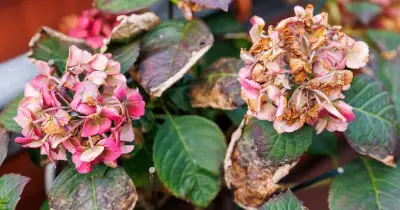
Hydrangeas are one of the main varieties to leave alone, especially mophead and lacecap varieties. Once the flowers start to fade, it can be tempting to cut them off, but there is “no rush”. These faded flowers can look “really lovely” as they dry out.

The expert said: “They can add a bit of interest to the garden through autumn and winter, so I would leave them where they are and tidy them up when spring comes around.”
Ornamental grasses can look a little untamed by the end of summer, but this doesn’t mean they need to be chopped straight away. Jo said: “Grasses can look really good through the colder months. They give the garden some shape when many other plants have died back, and they look lovely when they catch the light or get a bit of frost on them. I would leave them standing and enjoy them through winter rather than cutting them back too early.”
Echinacea, sedum and lavender
The big, faded echinacea heads may not look as good as they did in summer, but this is a good reason to leave them alone. They can add some shape to the garden and provide food for birds, so it’s recommended to leave them alone in September.
The expert said: “Sedum can actually look really nice as it dries out. The flowers change colour, and the seed heads add a bit of interest to the garden through the colder months. I would much rather leave it there than cut everything right back.”
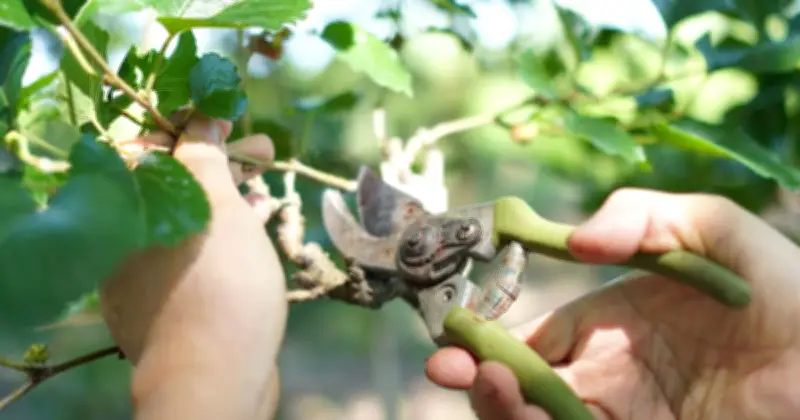
While a gentle tidy is recommended in September for lavender, a hard cut should be avoided. Once it starts to get woody, cutting too far back can cause bigger problems. It's best to prune lavender in late summer, just after flowering has finished. Lavender does not break new growth easily from old stems, so when you do cut back, don't cut back into the woody stems.