Gardeners are being urged to carry out five essential gardening jobs this September. With the weather getting cooler and more rain showers across the UK, now is the time to get those last-minute garden jobs done before the autumn weather hits.
Many people neglect their gardens after summer, which leads to fewer flowers and costly replacements later in the season. To help gardeners protect their plants and prepare for the colder months ahead, gardening expert Paul Parker from plants and bulbs specialists J. Parker's has shared the key tasks to tackle outdoors this month.
Prepare overcrowded perennials
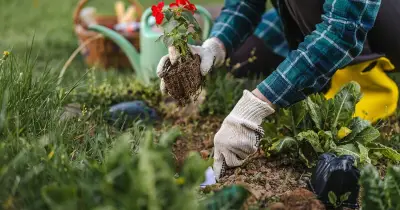
“After summer growth, you may find by September that perennial plants like phlox, daylilies and astrantia can become congested. To help thin them out, now is a great time to lift and divide them, which will encourage fresh growth and give them a new lease of life,” Paul says.

“When replanting any divided plants, remember to replant them promptly and water deeply to help them establish in their new location.”
Lift tender bulbs and prune fruit trees
“This month is a good time to lift tender bulbs like Gladioli and begonias before frost arrives,” Paul advises. “Make sure to let them completely dry out before storing in a cool, frost-free place. Never wash bulbs, as this can cause them to rot; instead, gently brush off any extra soil before storing.”
“If you have trained apple and pear trees, these can be pruned in September by shortening side shoots to about three leaves above the basal cluster. This keeps their shape tidy and encourages fruit bud development for next year,” says Paul. “Never prune stone fruit trees like plums or cherries, this could leave them at risk to silver leaf disease.”
Check for vine weevil and save seeds
“Ahead of winter, September is a good time to get ahead of pest control, particularly vine weevil grubs,” says Paul. “These can devastate potted plants, especially over the winter months. Notched leaf edges are an early sign of adult vine weevils and something to look out for in your containers. The best way to target them is to use biological controls like nematodes or apply a suitable insecticide.”
“In September, harvest mature seeds from plants like nigella, aquilegia and calendula to save for next year's sowing,” Paul says. “Make sure they're fully dry before sealing them in labelled paper envelopes and store them somewhere cool, dry and out of reach of any pests.”