
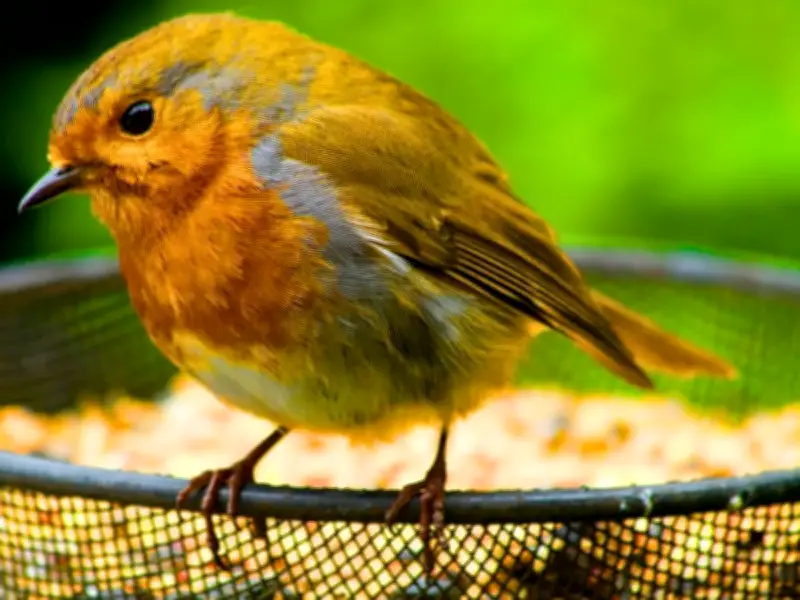
Gardeners often stop filling bird feeders when the weather warms, but in August robins need all the help they can get. With the summer being exceptionally dry, worms are burrowing deeper for moisture, making it nearly impossible for robins to reach them. Berries are also shriveling due to the lack of rain, reducing natural food sources.
Why August is Critical for Robins
Late summer is a crucial time for robins. They must consume extra food to prepare for autumn's cooler conditions, and they often raise multiple broods during the breeding season. Robins expend considerable energy hunting for chicks, defending nests, and growing new feathers, so providing food in your garden significantly boosts their survival chances.
Kitchen Leftovers That Robins Love
Wildlife specialists at Home & Roost suggest a simple approach: robins can eat many leftovers that would otherwise go to waste. They said: "There are lots of things in your kitchen that robins will love, and adding these to your feeding routine adds variety, saves money and saves food waste."
Soft fruits like apples, pears, or bananas are ideal, but they must be cut into small pieces. Robins have small beaks and cannot break down large chunks, which could pose a choking hazard for them or their chicks. Grated cheddar cheese and chopped grapes are also suitable, though only as occasional treats due to their high fat and fructose content.
What to Avoid Feeding Robins
Never give robins bread, cakes, or leftover baked goods. Though commonly offered, bread fills them up without providing essential nutrients. If robins become accustomed to bread, they may struggle to build sufficient fat reserves, leaving them vulnerable in winter.
While scraps help, robins need substantial protein and fat to build energy stores. Purchasing specialist bird food is highly recommended.
Best Bird Food for Robins
Crushed peanuts are suitable, but many supermarket varieties contain salt or flavorings that can harm birds. Always choose peanuts specifically for birds, as birds cannot process salt like humans and salty snacks can be toxic. Mealworms are the ideal food, closely mirroring their natural diet and providing essential nutrients.
Robins also enjoy sunflower hearts, nyjer seeds, and suet balls, all rich in fat. However, suet balls can melt quickly in warm weather, so avoid them during this period—the grease can foul feeders and coat birds' plumage.




