In the Faroe Islands, a remote North Atlantic archipelago, residents are striving to reduce reliance on imported food by cultivating hardy crops like potatoes and rhubarb, and even producing Michelin-starred dishes. The islands, battered by winds and overrun by sheep, have poor soil and limited arable land, leading to a heavy dependence on imports, often stamped with the Danish flag under which the islands are self-governing.
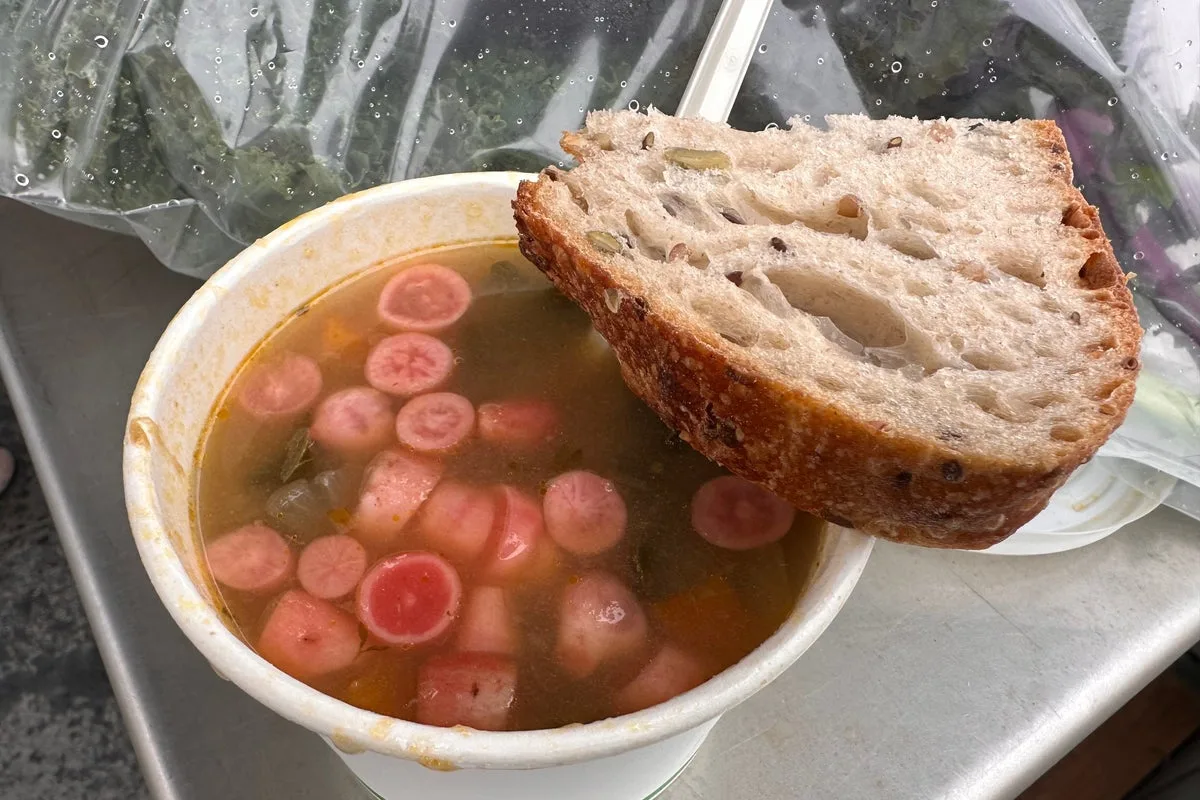
Efforts to boost local food production include the Matkovin project, which promotes local producers through a monthly farmers' market in the capital, Torshavn. There, vegetables like kale and cabbage are sold at high prices—around 40 Faroese krona (over $6) per bag—reflecting the cost of remote living. The project notes a growing international interest in Faroese cuisine, including a Michelin-starred restaurant and a network of home-cooked meals for tourists called "heimablidni."
However, a divide persists between the romantic vision of Faroese food culture and everyday reality, where most food is imported and local producers remain invisible. The COVID-19 pandemic and a major labour strike in May 2024, which led to rationing, highlighted food security concerns. The Matkovin project features a dozen local producers, such as Uppistova farm on Kalsoy, which sells eggs and rhubarb jam despite winter darkness lasting from September to March.
Another initiative, Veltan, uses greenhouses on Sandoy island to grow vegetables like peas and carrots, aiming to make Faroese vegetables more accessible. The Michelin-starred restaurant Paz offers a tasting menu for nearly $400, showcasing seafood and locally fermented fish and meat, an acquired taste. Despite these advances, challenges remain; at a steakhouse in Klaksvik, staff could not confirm the source of their lamb, underscoring the ongoing journey toward food self-sufficiency.