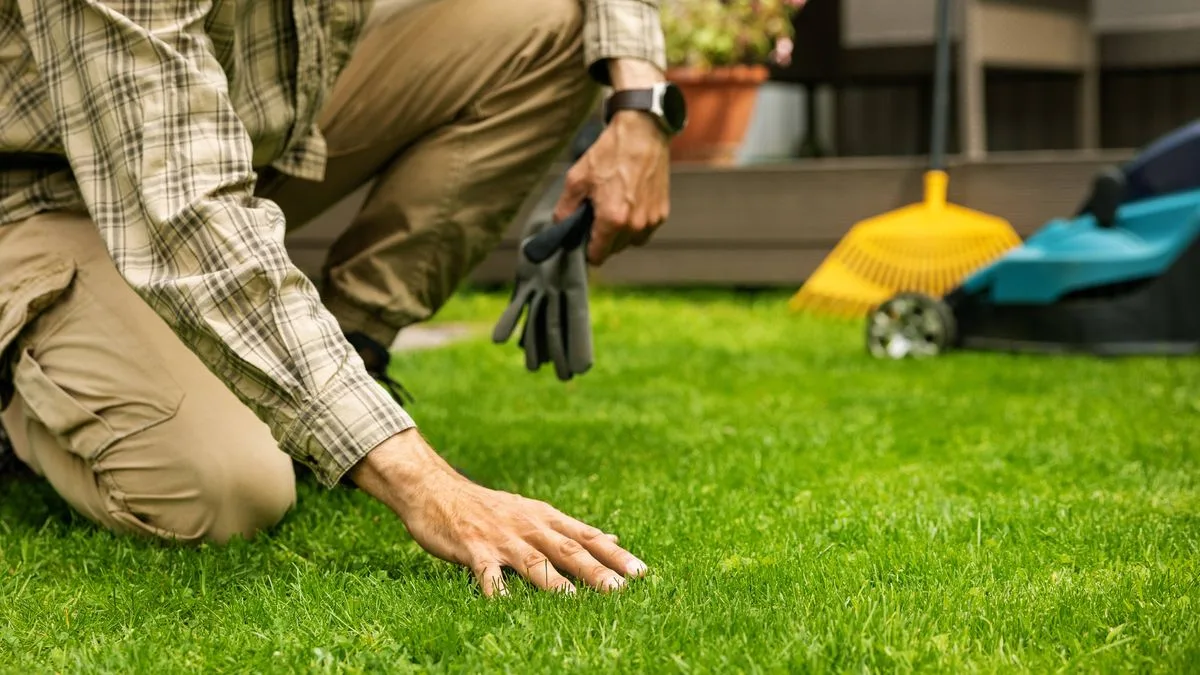
If your lawn is showing unsightly lumps and bumps as spring arrives, a gardening professional has revealed a remarkably simple solution requiring only three readily available products. Michael Griffiths, a successful gardener and author with a substantial social media following, has shared his practical method for transforming uneven, tired-looking grass into a smooth, level surface perfect for enjoying the warmer months.
The Spring Lawn Revival Challenge
As daylight hours extend and temperatures become milder, many gardening enthusiasts turn their attention to maximising their outdoor spaces. A common frustration during this seasonal transition is discovering that winter has left lawns looking battered and uneven, with unwelcome dips and mounds disrupting what should be a peaceful, beautiful garden area. Rather than resorting to expensive and labor-intensive returfing, Griffiths advocates for a more accessible approach that preserves existing grass while dramatically improving its appearance.
The Essential Three-Product Mixture
In a detailed video tutorial shared with his hundreds of thousands of TikTok followers, Griffiths demonstrated his lawn-leveling technique while seated on his patio steps alongside the three crucial ingredients: topsoil, sand, and compost. He explained that combining these materials in a specific ratio creates an ideal top-dressing mixture that addresses multiple lawn health factors simultaneously.
The recommended mixture consists of two parts topsoil, two parts sand, and one part compost. This combination, according to Griffiths, provides essential bulk for filling low spots, improves drainage through the sandy component, and delivers vital nutrients via the compost to help existing grass flourish and recover more quickly after the leveling process.
Step-by-Step Leveling Process
Griffiths outlined a clear, methodical approach to lawn leveling that begins with proper preparation. "First, we're going to prepare the area; we're going to mow the lawn really short," he advised in his tutorial. Cutting grass to approximately two to three centimetres in height provides better visibility of uneven areas and makes applying the top-dressing mixture significantly easier.
After preparing the special mixture, the next step involves spreading it evenly across the lawn surface, with particular attention paid to low spots that require filling. Griffiths recommends using the back of a standard garden rake or a specialised lawn leveling rake to distribute the mixture uniformly. Once spread, the material should be gently trodden into the lawn to ensure proper integration with the existing soil and grass structure.
The final step involves watering the treated area gently to help the mixture settle naturally. If necessary after leveling, gardeners can then overseed any sparse areas to encourage complete, uniform grass coverage. In the caption accompanying his social media post, Griffiths summarised his approach concisely: "Got a bumpy lawn? Here's the fix. If your lawn feels more bumpy than flat, don't rip it out, you can level it."
Timing and Additional Professional Advice
Major home improvement retailer B&Q confirms that spring represents the optimal season for undertaking lawn leveling projects. The company advises gardeners to gather their supplies while monitoring weather forecasts carefully, suggesting that starting a couple of days after rainfall is ideal while avoiding periods of heavy rain.
B&Q's guidance echoes Griffiths' emphasis on beginning with closely mowed grass, recommending the lowest blade setting on lawnmowers and thorough removal of all clippings. The retailer also highlights the importance of addressing thatch—the layer of dead and living plant material at the grass base. While a small amount benefits lawn health, excessive thatch can cause problems, so thorough raking to remove excess material and clear debris is recommended before beginning the leveling process.
This straightforward three-product method offers gardening enthusiasts an accessible alternative to complete lawn replacement, allowing them to transform bumpy, uneven grass into smooth, level surfaces that enhance outdoor enjoyment throughout spring and summer. By following Griffiths' practical guidance and timing their efforts appropriately, homeowners can achieve professional-looking results without specialized equipment or excessive expense.