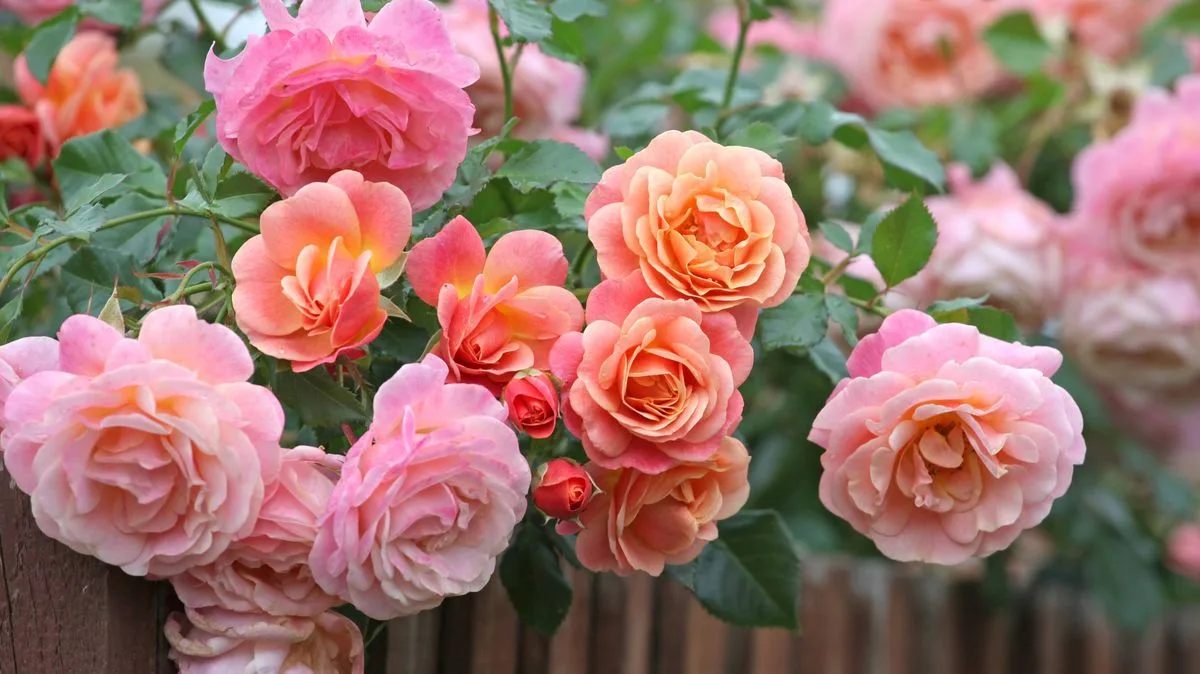
UK gardeners are being reminded of a simple but often overlooked task that can help roses produce larger and more impressive blooms throughout the summer. The practice, known as deadheading, involves removing spent flowers to encourage new growth.
Gardening expert Michael Griffiths has highlighted that many gardeners are deadheading their roses incorrectly. In a recent video, he explained that there are two steps to the process, but most people stop after the first.
The first step is to remove faded or wilted rose heads by snipping them at the base where the flower meets the stem. The second, crucial step is to trace the stem down to the next cluster of five leaves and cut just above it. This redirects energy to stronger buds, prompting repeat flowering.
The Royal Horticultural Society advises regular deadheading and recommends snapping off faded flowers on hybrid tea roses by hand for quicker results. For other roses, secateurs can be used to cut above the next leaf. The RHS also suggests cupping each flower in the hand to prevent petals from scattering.
Deadheading not only boosts blooming but also reduces the risk of fungal infections and keeps rose bushes tidy. The sooner spent blooms are removed, the faster new ones emerge.