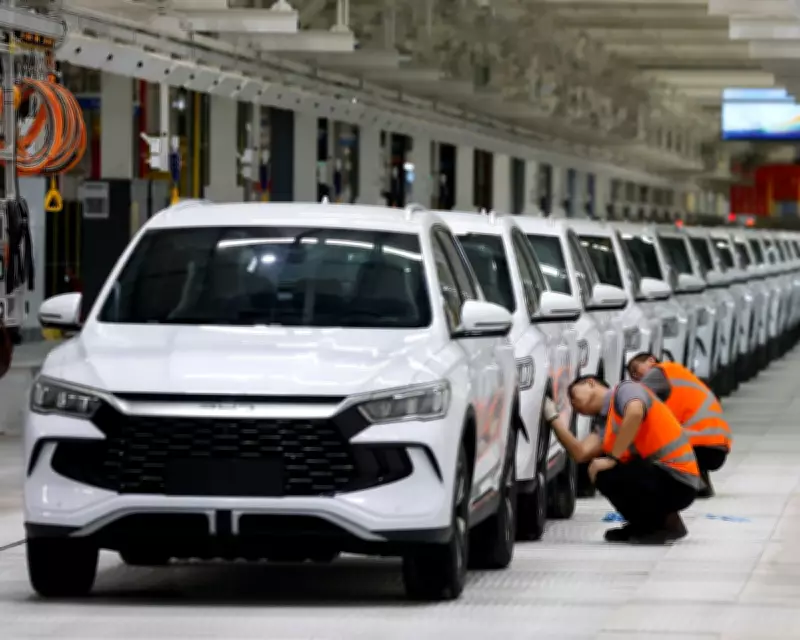
The global automotive landscape is undergoing a profound transformation as electric vehicles (EVs) transition from a niche market to a mainstream choice for consumers across the world. Recent data indicates a significant surge in adoption rates, with this trend now firmly established not only in affluent nations but also in developing economies, marking a pivotal shift in transportation habits.
A Worldwide Shift in Mobility
This widespread embrace of electric cars represents a major milestone in the fight against climate change and the reduction of greenhouse gas emissions from the transport sector. The acceleration in EV uptake is being fuelled by a combination of factors, including substantial decreases in battery costs, enhanced vehicle performance, and growing environmental awareness among the public.
Policy and Infrastructure Driving Growth
Governments around the globe are playing a crucial role in this transition by implementing supportive policies such as subsidies, tax incentives, and stringent emissions regulations. Concurrently, investments in charging infrastructure are expanding rapidly, alleviating range anxiety and making EV ownership more practical for everyday use.

In developed nations, established automotive markets are witnessing a rapid electrification of their fleets, with many manufacturers committing to phasing out internal combustion engines entirely. Meanwhile, in developing countries, the adoption curve is steepening as affordable EV models become available and urban areas seek solutions to combat severe air pollution problems.
Economic and Environmental Implications
The mainstreaming of electric vehicles carries significant economic implications, potentially reducing dependency on fossil fuel imports and fostering new industries in battery production and renewable energy integration. From an environmental perspective, the shift promises substantial reductions in local air pollutants and carbon dioxide emissions, contributing to global sustainability goals.
However, challenges remain, including the need for further grid upgrades, sustainable sourcing of raw materials for batteries, and ensuring that the benefits of this transition are equitably distributed across all societal segments. Despite these hurdles, the current trajectory suggests that electric mobility is no longer a futuristic concept but an integral part of the present-day automotive ecosystem.