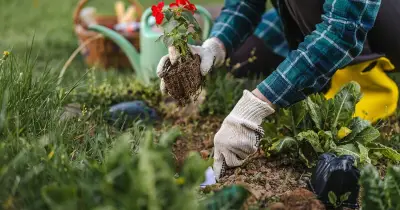
Gardens can be kept thriving for years with a single task carried out now, as September proves a crucial month for gardeners preparing for colder weather.
Dividing herbaceous perennials, such as asters and daylilies, every three to four years keeps them healthy, and September is the perfect time for the job, according to gardening expert James Ewens at Green Feathers.
As autumn approaches, the soil remains workable and plants begin to slow their growth, making the month ideal for the task.

Why dividing perennials helps
Dividing perennials prevents overcrowding, reduces competition for nutrients and rejuvenates older clumps that may have stopped blooming as vigorously as before.
More flowers bring more life to a garden, with pollinators likely to be drawn to the space as a consistent source of energy and nutrients.
Planting bulbs and helping wildlife
September is also the time to plant spring-flowering bulbs, allowing roots to establish in the tepid soil before winter arrives.
Creating a safe haven for wildlife is another must-do task, as animals may struggle once cold weather comes. Leaving piles of logs, leaves and branches provides instant shelter for hedgehogs, amphibians and insects.
Leaving seedheads on sunflowers and offering high-energy bird cakes or fat balls can ensure birds keep visiting the garden as temperatures drop.
Lawn care in September
September is the optimal time to overseed bare patches on lawns so they can thicken before winter.
A light feed high in potassium and phosphorus promotes root growth and prepares grass for winter hardiness.