
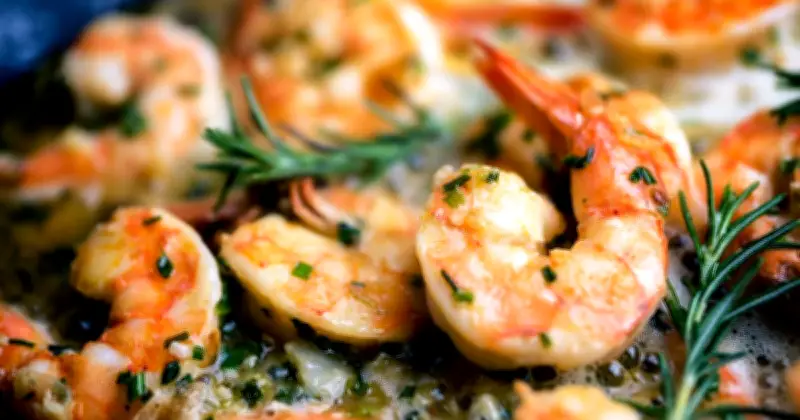
If you have ever ordered shrimp at a restaurant, you may have assumed it is just another name for prawns. However, this is not the case. Although both are decapod crustaceans with ten legs and exoskeletons, they are entirely different animals. They look alike and often inhabit the bottoms of water bodies, but their biological classifications set them apart.
Biological Differences
Shrimp belong to the suborder Pleocyemata, while prawns fall under the suborder Dendrobranchiata. Prawns have longer bodies and branching gills, whereas shrimp have shorter, curved bodies and lamellar gills. Prawns also possess longer legs and three sets of claws, compared to shrimp which have two sets.
Size and Habitat
A common misconception is that prawns are larger than shrimp, but size varies naturally in wild-caught seafood. Habitat preferences differ too: shrimp are mostly found in saltwater, while prawns are mainly freshwater dwellers. However, both can adapt to either environment.
Reproduction
Reproductive strategies also differ. Shrimp carry fertilized eggs under their tails, while prawns release eggs into the water to develop independently.
Taste and Culinary Use
When it comes to taste, shrimp and prawns are quite similar. Different varieties offer subtle differences in flavor and texture, but they can be used interchangeably in recipes.
Confusion in Naming
In the UK, both crustaceans are often called prawns, adding to the confusion. For instance, spot prawns are biologically shrimp, while ridgeback shrimp are actually prawns. Restaurants may also mislabel dishes to make them sound more appealing.




