
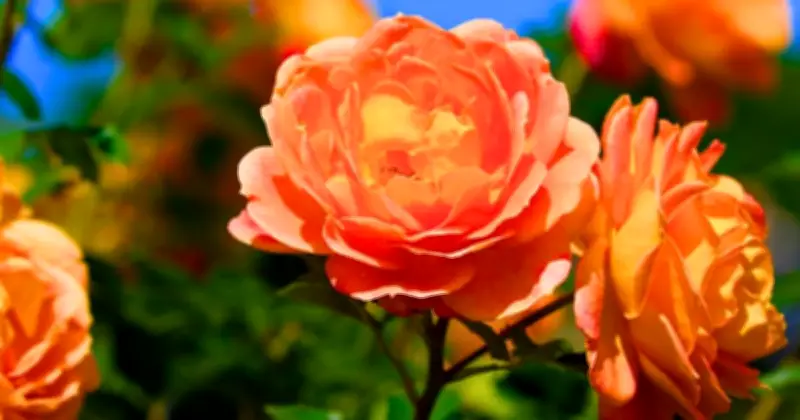
Gardeners who deadhead their roses in early August can enjoy bigger, longer-lasting flowers well into autumn, according to a gardening expert. The simple task, which takes less than five minutes, helps rose bushes focus their energy on producing new blooms instead of developing rosehips.
Why deadhead roses now?
As summer progresses, many rose species begin to fade, with petals turning brown and falling off. This is normal but signals the formation of hips—small, cherry-sized seeds that tell the rose its flowering cycle is over. If left unchecked, the plant can become bare despite still being in the middle of the growing season.
Marianne Songbird, a gardener and founder of the DIY blog Songbird, explained: "Deadheading roses is a simple yet essential task to encourage continuous blooming throughout the summer. By cutting spent blooms just above a set of healthy leaves or leaflets, you allow your rose bush to direct its energy into producing new flowers rather than developing rosehips."
Deadheading in early August keeps roses flowering for longer and helps the plant channel energy into new buds. The result is healthier, bigger, and longer-lasting flowers, keeping gardens spectacular as summer ends. It also improves air circulation around the plant, which can help prevent fungal diseases like black spot that may harm roses in autumn.
How to deadhead roses
Start with a pair of sharp secateurs, cleaned with isopropyl alcohol or disinfectant wipes after each cut. Inspect the rose flowers for faded, brown, or falling petals, and look for thin stems that won't support healthy blooms.
Follow the spent flower down the stem to the first healthy green leaf with five leaflets—a single leaf made of five smaller leaves attached to one stalk. Cut five centimetres above this five-leaflet, angling the cut at 45 degrees downwards to help water run off and prevent disease.
Remove any flower cuttings from the ground, as decaying foliage can attract pests. This simple task takes less than five minutes but rewards gardeners with more vibrant flowers well into autumn.




