
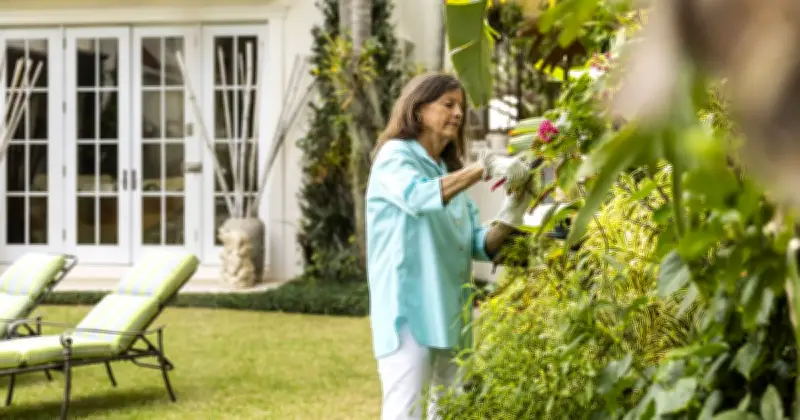
As the UK enjoys a spell of warm weather, gardeners are being reminded of essential maintenance tasks for late July and August. Luke Newnes, a gardening expert at Hillarys, advises that this period is both rewarding and crucial for plant care.
Deadheading Tips
Newnes emphasised the importance of deadheading flowering plants. He said: "Late July and August are some of the most rewarding months in the garden, but they're also a time when a little maintenance goes a long way. One of my top tips is to keep on top of deadheading flowering plants. Removing spent blooms encourages plants to put their energy into producing more flowers, helping to keep colour in the garden right through to autumn."
Deadheading involves removing faded or spent flowers from the stem. This practice encourages plants to produce more flowers instead of seeds, keeps plants looking tidy, prevents self-seeding in some species, and reduces the risk of disease from decaying blooms. Newnes specifically recommends deadheading roses, dahlias and cosmos.
To deadhead effectively, pinch or cut off the spent flower just above the first healthy leaf or bud, use clean pruning shears for woody stems, and repeat throughout the flowering season.
Other Gardening Jobs for August
Newnes also highlighted the need to water wisely during warmer spells. Rather than a light daily sprinkle, he recommends watering thoroughly a few times a week, either early in the morning or later in the evening. This helps roots grow deeper, making plants more resilient if hot weather continues.
For those looking to refresh their outdoor space, container displays are a great option. August is an ideal time to replace tired pots with late-summer favourites such as rudbeckia, sedum and ornamental grasses, which provide colour and texture as the seasons change.
Planning Ahead and Harvesting
Newnes advises gardeners to plan ahead while the garden is in full bloom. Noting any gaps in borders or areas that could benefit from extra colour next year, and taking photos, can be useful for planting decisions later in the year.
If growing fruit and vegetables, July and August are prime harvesting months. Regularly picking crops like tomatoes, courgettes or beans encourages many plants to continue producing and ensures the best quality produce from the garden.




