Dahlias can bloom well into autumn, and the Royal Horticultural Society (RHS) says they can flower right through until the first frosts. To enjoy their blooms for as long as possible, one straightforward task is worth carrying out regularly throughout autumn: deadheading.
Why deadheading helps dahlias bloom longer
Removing spent blooms can actually stimulate further flowering, according to the RHS. This proves especially worthwhile towards the end of September, when dahlias can still be producing a remarkable display.
Deadheading refers to the removal of faded or dying flowers from plants, and is carried out to keep plants "looking attractive" and to "encourage more blooms", the RHS explains.
How to deadhead dahlias correctly
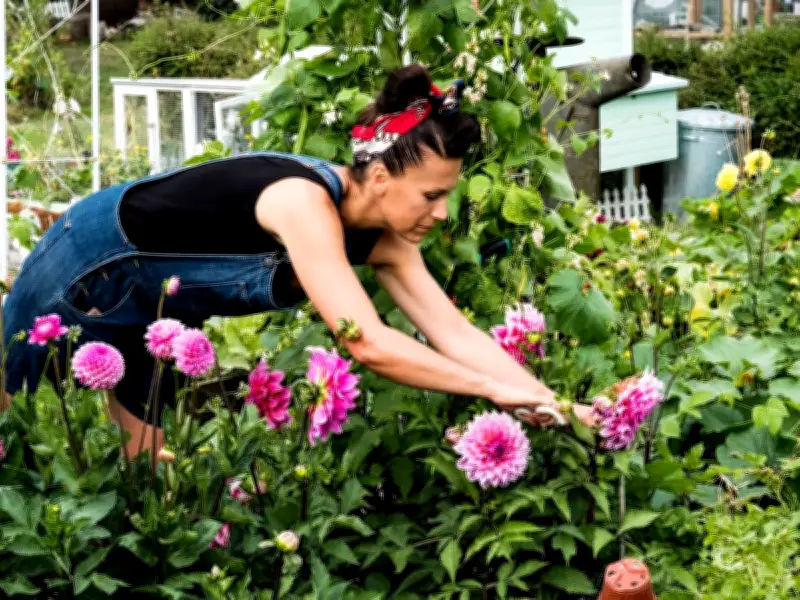
Deadheading a dahlia is a remarkably simple process, though cutting in the correct place is essential. Look for blooms that have faded, wilted or lost their fresh appearance, then trace the flower stem downwards towards the foliage.
The RHS recommends cutting back to a leaf joint lower down the stem rather than simply removing the flower head. There is also a helpful method for distinguishing a spent dahlia flower from a fresh bud: the RHS notes that flower buds tend to appear rounded, while spent flowers become more pointed after their petals have fallen.
Winter care and additional tips
Dahlias lack hardiness and are susceptible to damage from freezing conditions. The specialists recommend that, after the foliage has been affected by the initial frosts, gardeners can either leave the tubers in situ or lift and store them in a frost-free location throughout the winter. Gardeners in warmer regions of the UK with light, freely draining soil may opt to leave them in the ground, although this approach carries a higher risk of winter casualties.
Deadheading is not the sole technique for promoting additional blooms. If you have an abundance of flowers, dahlias also make superb cut flowers for indoor display.