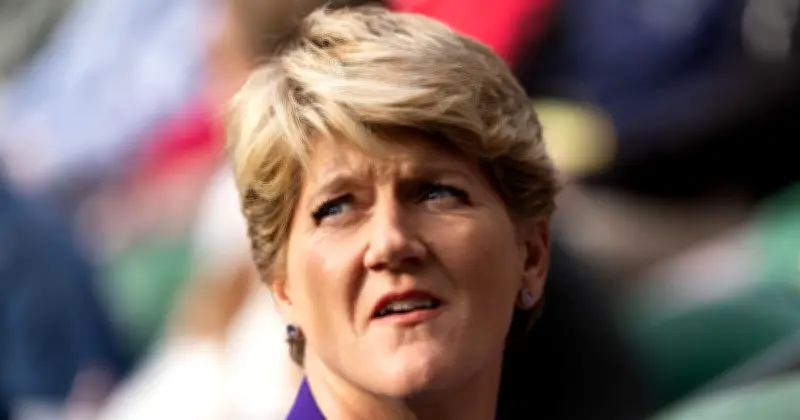
BBC presenter Clare Balding has criticised the Labour Government for imposing excessive regulations on UK farmers. Speaking to The Telegraph, she stressed the importance of rural communities and the role farmers play in maintaining the countryside.
"In many aspects, the countryside is farmers," Balding said. "Yes, there are big areas which are not farmland, but a large percentage is. They keep the countryside looking lovely for our benefit, they produce food for our benefit, so it'd be helpful if they were not required to jump through every hoop known to the government."
Call for National Support
Balding urged the entire country to help address the farming crisis. "The idealist in me, (and I am very idealistic) looks at a map of this country and goes 'right, look at all those footpaths, look at all those rivers, look at all that open space, how can we get more people to enjoy that while supporting the local economy?'" she noted.
The UK agricultural industry has faced challenges from climate change, extreme weather, and rising costs. Former chancellor Rachel Reeves introduced a 20% inheritance tax on agricultural land last year, initially on estates over £1 million, later raised to £2.5 million in December.
Farm Sales Surge
The policy has sparked concerns, with the number of farms for sale in England reaching a 20-year high. In the first half of 2026, 177 farms were put on the market. Balding, who grew up in the countryside, joins other celebrities like Jeremy Clarkson in speaking out.
Clarkson, owner of Diddly Squat Farm in the Cotswolds, highlighted daily challenges on his show Clarkson's Farm and in his column for The Sun. "Action is needed now because farmers have reached the point where it is quite simply impossible to make money from growing food," he wrote. "This year, I have 200 acres on my farm where we grew nothing at all. We knew that if we planted it with wheat or barley, we would definitely make a loss."
Clarkson also noted new harvesting problems: "Since I started farming seven years ago, the harvest has always been a nail-biting affair because you have to stop when the grain is too wet. This year, though, I have a new problem. The grain is too dry. ... All it would take is a discarded cigarette end, or the spark from a piece of faulty equipment and in a matter of moments, my whole crop would be turned into ash."