
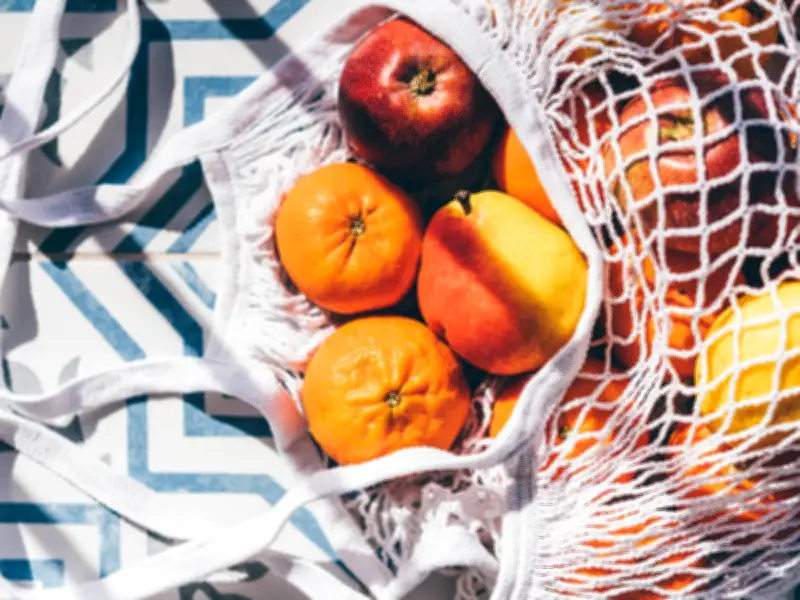
When you are after a nutritious snack, you really cannot beat a portion of fruit. Some of the most popular choices are tangerines and oranges, as they are simple to carry around due to their strong peel, and they are both refreshingly tasty.
However, if you have ever wondered what actually distinguishes these two citrus fruits from one another, and others such as clementines, mandarins and satsumas, you are not the only one. This has been a topic of conversation for years, and while they may look alike, there are several key differences.
One boasts way more vitamin C, along with higher fibre levels.
Origins and Classification
According to the experts at Healthline, tangerines, oranges and other citrus fruits are members of the same family, explaining their similarities. In actual fact, they are different species of fruit with completely different origins.
Tangerines are named that way because they used to be transported through Tangier in Morocco. They are sometimes labelled as mandarins, which is the overarching category for these fruits. Clementines and satsumas also fall under this category.
Meanwhile, oranges are thought to have originated from southern China and Indonesia. They are a hybrid of a mandarin and a pomelo, and you can get a few different varieties, such as blood oranges, sweet oranges and navel oranges.
Appearance Differences
The major difference between these citrus fruits is their appearance. Oranges are a lot bigger and rounder, whereas tangerines are small and soft, and have a slightly flatter look.
Oranges can be slightly yellowy in colour too, whereas tangerines tend to be a deeper orange shade.
Meanwhile mandarins, which are still a type of orange, are generally smaller and sweeter than oranges, a little flatter in shape, and they have a thinner, looser skin that makes them easier to peel.
Clementines are the smallest type of mandarin orange. They are very sweet, seedless, and have red-orange skins that are smooth and shiny.
And satsumas, which originate in Japan, are a lighter shade of orange, also very juicy and seedless, and are the easiest to peel.
Nutritional Content
There is no right answer here, as the nutritional content of oranges and other citrus fruits are fairly similar. However, when it comes to vitamin C, oranges are the winner, as there is double the amount compared to tangerines, and clementines are also very high in this nutrient.
Vitamin C is a powerful antioxidant that helps to support your immune system and helps your body to absorb iron, so it is vital that you are getting enough of it in your diet, as your body cannot naturally produce it.
Oranges also have slightly more fibre than tangerines too. However, tangerines and satsumas are higher in vitamin A, and both fruits are a good source of potassium and folate as well. Clementines are the lowest in calories and sugar, but all are perfect for a healthy snack.
How to Enjoy and Store
These citrus fruits are delicious eaten alone, so they are ideally served best sliced as a nutritious snack. Alternatively, you can juice them for a refreshing drink, or combine them with other fruits and vegetables to create your own wholesome blend.
In terms of storage, they can be kept either in the fridge or left out on the kitchen worktop. Bear in mind that they may not keep as well if left in the fruit bowl, so it is worth keeping this in mind.




