
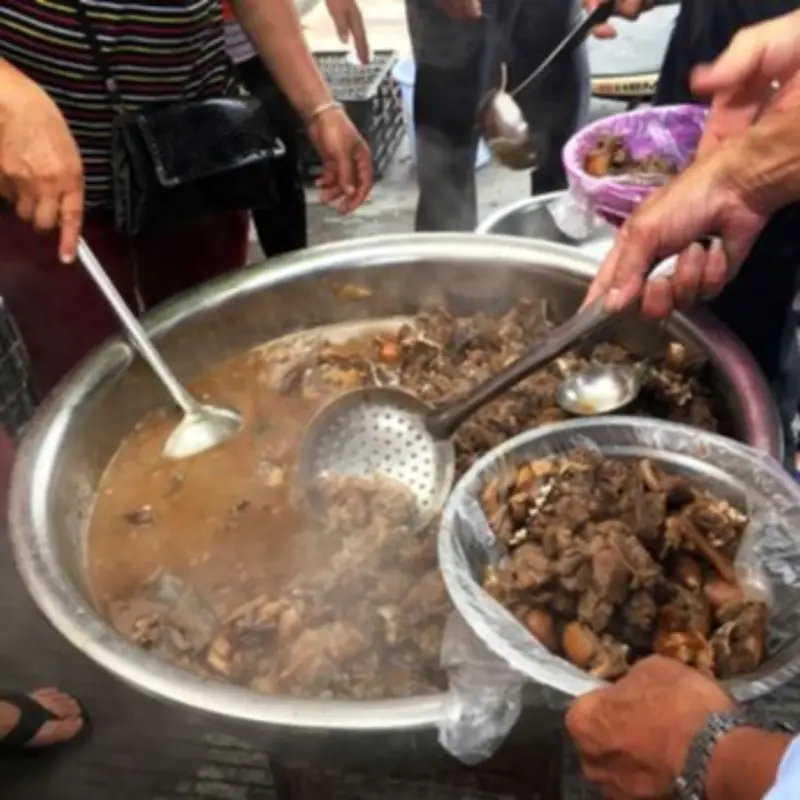
The annual Yulin Lychee and Dog Meat Festival in China's Guangxi region is underway until June 30, with animal welfare campaigners warning that thousands of dogs and cats could be killed and sold as snacks. The event, which coincides with the summer solstice, has drawn international condemnation for over a decade.
Criticism and Animal Suffering
Critics say the festival has become a symbol of the wider dog and cat meat trade, despite growing opposition within China and overseas. Animal welfare groups claim many animals arrive after gruelling journeys in cramped cages without food or water. Some are stolen pets, while others are strays rounded up for sale. Images have shown frightened animals crammed into wire cages awaiting slaughter.
The trade has long been accused of extreme suffering. Campaigners allege dogs are transported long distances in sweltering conditions before being killed in markets, slaughterhouses, and restaurants. Some believe eating the animals can cure diseases, but activists say attitudes are changing.
Slaughterhouse Closure
In a breakthrough earlier this month, a dog slaughterhouse in Yulin was permanently shut down through a joint effort by Chinese animal welfare groups and international campaigners. Nine dogs were rescued, including three still wearing collars believed to be stolen family pets.
Julie Sanders, director of Humane World for Animals' End Dog and Cat Meat campaign, said: "It's incredibly exciting to see this livelihood conversion take place in Yulin, arguably China's most infamous dog and cat meat hotspot." The slaughterhouse owner, who spent nearly two decades in the trade, admitted relief: "I have been killing dogs for almost 20 years. It's a dirty business and I don't feel good about it."
Origins and Opposition
Campaigners argue the festival is not an ancient tradition as often claimed. Animal welfare organisations say it was launched in 2010 by traders seeking to boost dog meat sales around the summer solstice. The event has faced mounting resistance from Chinese activists, who have organised rescues, protests, and awareness campaigns. Volunteers have intercepted vehicles carrying animals to slaughter and worked to rehome survivors.
Recent surveys suggest support for the trade is declining as more Chinese view dogs as companion animals. Several cities have moved to restrict or ban the dog and cat meat trade. However, with the festival underway, campaigners fear thousands more animals will suffer before the final stalls close on June 30.




