
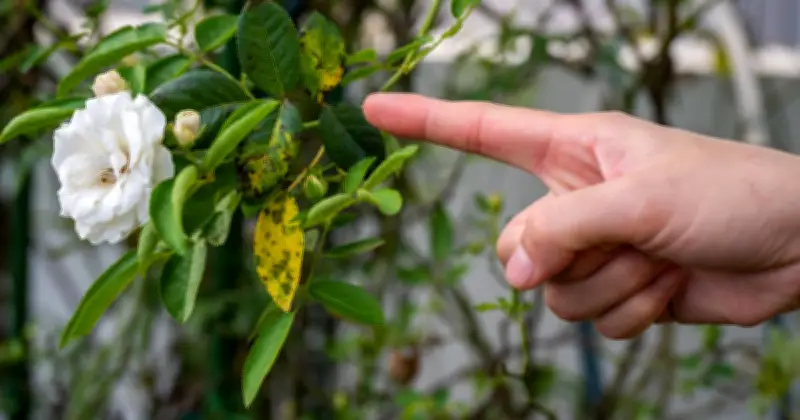
Gardeners have shared a homemade remedy for rose black spot, a fungal disease that the Royal Horticultural Society (RHS) describes as the most serious affecting roses. A heavily infected rose can lose a substantial proportion of its foliage, weakening the plant's vitality.
On the Gardening Hints and Tips Facebook page, Karen Powell shared a photograph of her flourishing pink rose. The caption read: "Here's how your rose will look when you control black spot with diluted milk. Water it at the base every two weeks. It gives nice green glossy leaves. It also helps feed them."
How milk helps treat rose black spot
While this might seem unusual, cow's milk contains natural proteins and enzymes with antifungal qualities that can destroy the spores. Milk performs most effectively when exposed to sunlight, as it generates conditions less favourable to fungus and can also assist in forming a thin layer that prevents spores from adhering to the plant.
Fellow gardeners also endorsed the tip, while others put forward using baking soda. Lou Deane wrote: "I use my nearly empty milk cartons. Fill them up with water and empty onto the roses at least once a week."
RHS advice on managing the disease
The RHS also advocates a non-chemical approach, which can be initiated in the autumn by collecting leaves. They said: "If practical, pick off and dispose of any leaves that remain on the plant over the winter months. Prune out all stem lesions in spring before leaves appear."
"These actions will help delay the onset of the disease, but are of limited value because spores are bound to blow in on wind-blown rain from elsewhere."
Keeping roses healthy into autumn
Keeping black spot at bay can also help roses remain healthier for longer, enabling them to retain their foliage and continue blooming well into early autumn. It is crucial not to rely on homemade remedies, with sound garden hygiene being the most effective first line of defence. Removing diseased material, clearing away infected fallen leaves, and avoiding conditions where foliage stays damp for prolonged periods are all essential steps.
As September gave way to autumn, tackling the disease promptly is vital to help prevent black spot from re-emerging the following year.




