
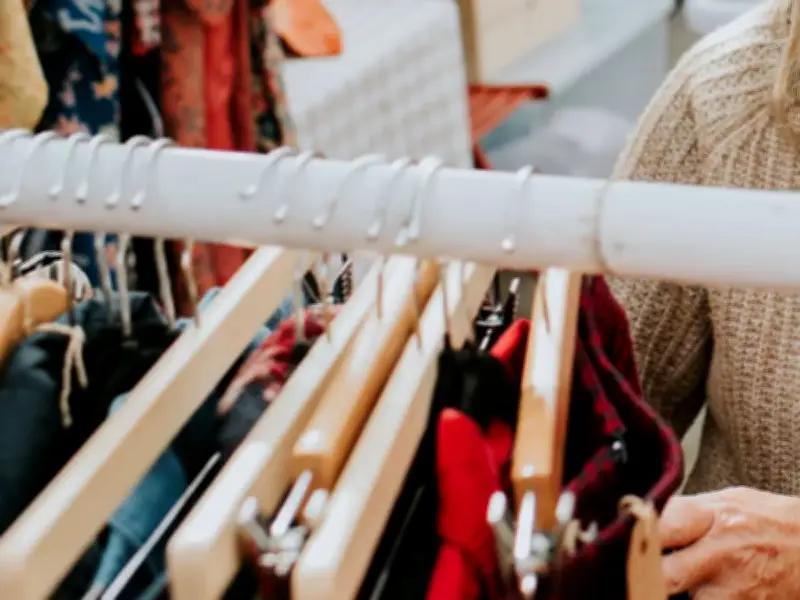
Charity shoppers are divided as fast fashion brands like Zara and Shein flood thrift store rails, sparking debate over sustainability and ethics. A Reddit user expressed frustration after finding a dedicated rail of Zara clothing at 60 per cent below original retail price at their local thrift store.
Frustration Over Fast Fashion in Thrift Stores
The shopper said: "I come to the thrift store to get away from fast fashion and unethical brands to try and shop more consciously, but I can't escape it." They noted multiple racks filled with garments from the Spanish retailer, alongside items from Shein and other fast fashion labels.
They added: "The majority of them were ripped or had some other defect to them. When we got to the front to check out, there was Zara jewellery locked away and was almost full price."
Mixed Reactions from Fellow Shoppers
Fellow users shared their frustration, with one commenting: "Yeah, it's frustrating. Thrifting used to mean finding well-made, unique pieces, but now it's just flooded with disposable fast fashion." Another added: "It's wild to think that in a few decades, 'vintage' might just mean a Shein dress that somehow didn't disintegrate."
However, not everyone was quick to criticise Zara. One user offered a balanced view: "I've bought a lot of stuff in Zara and frankly it's not much worse than expensive brands. In fact I have some clothes that have lasted much longer than supposedly good brands. If you take care of your things it can last very long."
Ethical Debate Over Second-Hand Fast Fashion
Another user argued: "I would argue that purchasing a fast fashion brand like Zara from a second hand shop is far more ethical than letting them go to the landfill. The item was already made, and if it's in a thrift store then Zara isn't going to get a cut of it and gain incentive to make more. The garments had already been made, might as well put them to use!"
They continued: "I know the issue is they may be lesser quality so they'll wear away faster and you'll have to buy more things but quite honestly of all the fast fashion brands I purchased in the past, maybe 95% of them have held up well and are in great condition still."
Environmental Impact of Fast Fashion
Charity shops are renowned for providing well-crafted pre-loved items at budget-friendly prices, helping to cut down on textile waste and offering clothing a new lease of life. However, with fast fashion now so prevalent, these shops are becoming increasingly swamped with poor-quality garments that are frequently designed to deteriorate rapidly.
Fast fashion creates numerous environmental and social problems. Earth.org reports that out of the 100 billion clothing items manufactured each year, more than 101 million tons end up discarded in landfills. According to the UN Environment Programme, the fashion industry accounts for roughly 10 per cent of global carbon emissions and represents a significant water consumer, using approximately 79 billion cubic metres each year, which would be sufficient to satisfy the water requirements of five million people.
On the social front, fast fashion depends extensively on poorly paid labour in developing nations, where workers frequently face harsh working conditions and are denied fundamental labour rights. Zara and Shein have been approached for comment.




