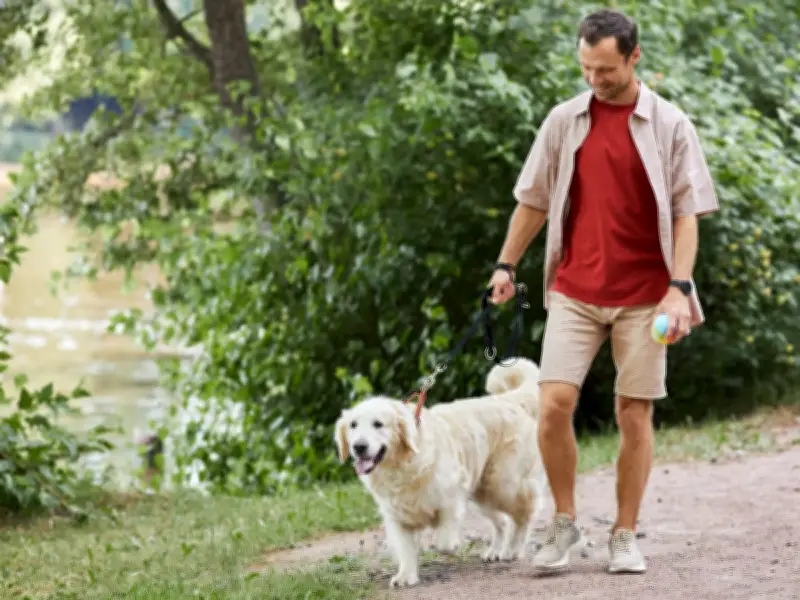
Pet owners are being urged to keep a bank card in their pocket whenever walking their dog this summer, as a simple scraping motion can remove a bee or wasp stinger and prevent more venom from entering the animal's system. The advice comes from veterinary experts who warn that even a single sting can trigger a severe reaction in some pets.
Why a Bank Card Is Essential
During summer walks, dogs that rummage through grass risk being stung by bees or wasps. If the stinger remains visible, experts recommend removing it by carefully scraping it out with the edge of a bank card. The process takes just seconds and can considerably reduce the discomfort a pet experiences by limiting venom injection.
While most stings cause only minor swelling or a startled yelp, situations can become more serious if the stinger stays lodged. Dr Samantha Butler Davies, MRCVS, Veterinary Director at Vets for Pets and Pets at Home, said: "During the summer months, we see lots of pets with bee and wasp stings. In many cases, it is just a painful surprise, but occasionally they can have a much more serious reaction. Stings around the face or mouth can be particularly uncomfortable and, in some cases, swelling can cause more serious issues."
Case Study: Dachshund Puppy Margot
Vets for Pets shared an incident involving Margot, a five-month-old Dachshund puppy, who picked up a live wasp from the grass and carried it into her owner's office. Within minutes of dropping it, she began pawing at her mouth and her gums turned pale. Her owner rushed her to the vets, where prompt treatment allowed her to recover quickly.
Owner Vicky said: "It was extremely worrying how fast everything changed. One minute she was her usual self, and the next she was very distressed. I had no idea she had even picked up a wasp, and I never thought a sting could do that."
Signs Your Pet Has Been Stung
Pet owners should watch for yelping, pawing at the face, chewing or licking an unusual area, and swelling at the sting site. Cats are equally curious and may also be drawn to buzzing insects. Smaller pets or those stung multiple times face a heightened risk of severe symptoms.
First Aid for Stings
If you suspect your pet has been stung, examine the area. If safe, scrape away any visible stinger with the edge of a card. Apply a cold compress to reduce swelling, keep your pet calm, and monitor closely. Call your vet immediately if the sting is on the face, mouth, head or neck, if swelling worsens, or if your pet seems unwell.