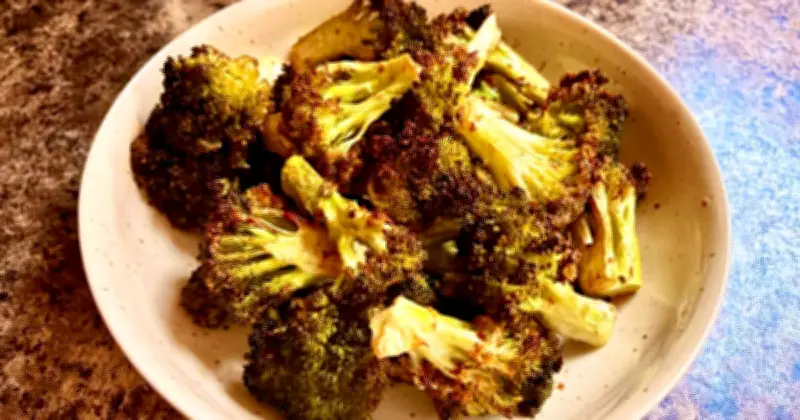
Roasting broccoli with miso paste instead of boiling transforms it into a caramelised, umami-rich side dish. The key is to coat the florets in miso before cooking.
Why miso paste works
Broccoli has never been a vegetable I reach for often, but it turns out the cooking method and recipes I'd been using were the problem. While I would usually boil broccoli, roasting it has been a real game-changer. It gives broccoli a caramelised sweetness and a crisp-yet-tender texture.
However, even roasted broccoli can get old after a while, so I'm always looking for ways to dress it up that don't take lots of time. I've previously roasted the broccoli in garlic, lemon juice and Parmesan cheese. This time around, I've discovered one ingredient in my kitchen cupboard that has immense flavour – miso paste.

How to make broccoli tastier with miso
The initial recipe I followed suggested using one tablespoon of miso paste for each head of broccoli, but feel free to modify this based on your preferences. To give it a try, coat the broccoli florets with miso until they are well covered, then roast them at 200C for about 20 to 25 minutes, or until the edges are crispy and caramelised.
Using one tablespoon of miso per head of broccoli provides a lovely umami flavour, but if you enjoy stronger tastes, consider increasing it to two tablespoons for a richer savoury experience. In my experience, I found that blending the miso with a bit of olive oil before tossing it with the broccoli helps to spread the flavour more evenly.
What is the best miso to use
Roasting brings out the natural sweetness of broccoli, and white miso (shiro miso) pairs perfectly with it. It is subtly sweet and salty taste enhances the caramelised florets without overshadowing them.
If you're interested in trying out various types of miso, here's a comparison of their flavours:

- White miso – the gentlest type of miso – pairs wonderfully with roasted vegetables.
- Yellow miso – this variety is aged longer than white miso, resulting in a richer, more intense savoury taste. It's an excellent alternative if you enjoy a stronger umami flavour.
- Red miso – known for being the most robust and salty option due to its extended fermentation process. While red miso is perfect for soups and more substantial meals, it can easily dominate the flavour of roasted broccoli.