
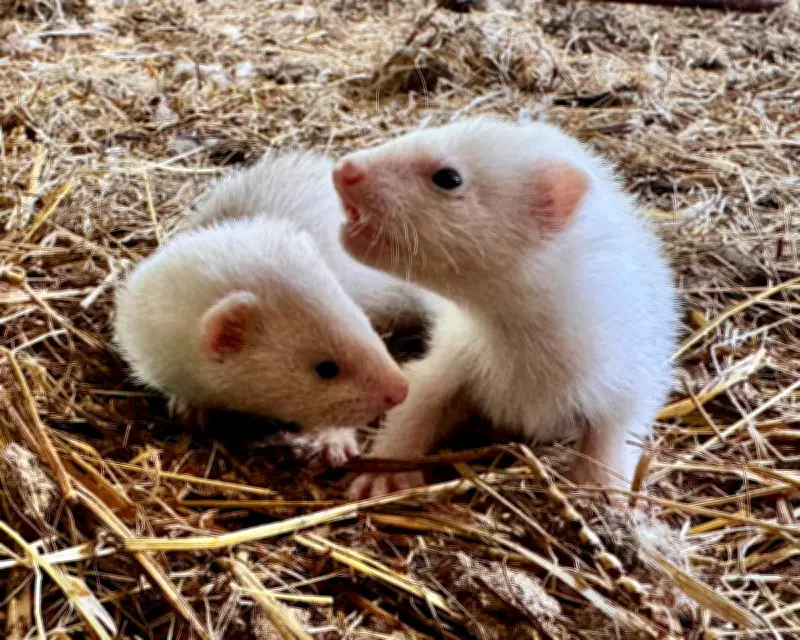
In Cranbrook, Kent, the progression of the country year is marked not by calendar dates or phone alerts, but by sensory cues: the chill of the first frost, the scent of southern climes on the breeze, or a faint squeal from the shed. In early May, the plaintive mewing of newborn ferrets signaled the start of summer.
Terminology and Courtship
Understanding ferret breeding starts with terminology. Females are jills, males are hobs—though Traveller friends might call them bitches and dogs, or simply pugs. The collective noun for ferrets is a business, but serious fanciers may scorn its use. Jills come into season in early spring, when a hob is introduced. Courtship is direct: the hob seizes the jill by the neck and drags her to a corner. No lasting animosity follows; the pair later sleep coiled together. About six weeks later, the jill gives birth at night in a hollowed nest. Litters can number up to 14 kits, born blind and naked, but their cries reveal their presence.
Growing Kits and Finding Homes
Now nearly two months old, the kits are thickly furred, eyes open, and eager to explore—much to their mothers' dismay. The frantic jills drag them back to the nest until exhausted, then watch them totter off again. The next task is finding suitable homes for the young among the local ferret-keeping fraternity, a colorful group of characters. This journey will culminate at the local Gypsy horse fair in September, where the clatter of hooves and clamor of dealing mark summer's end.




