
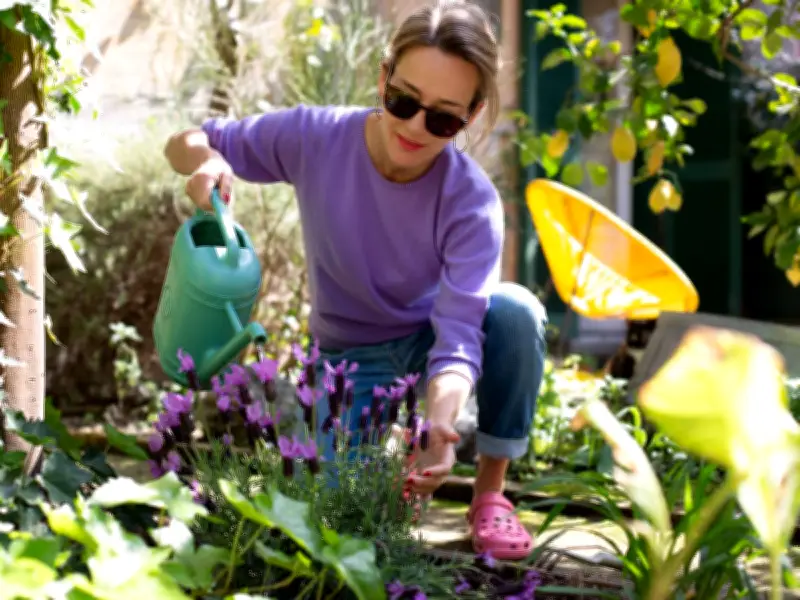
Adequate watering is essential for maintaining a healthy, flourishing garden. Without sufficient moisture, plants struggle to survive, particularly during the summer period. However, determining the correct watering frequency can be challenging, and specialists say it depends on multiple factors.
Soil Type Matters
The horticultural experts at Phostrogen explained: "Depending on the texture of your soil and whether it is compacted or not, it will have a greater or lesser ability to hold water, which seeps down to the roots." There are four soil types to consider, so understanding which type you have is vital before watering.
Weather Conditions and Rain Gauges
Weather conditions also significantly influence how frequently plants require watering, and monitoring this can prove difficult, particularly in the UK. To monitor rainfall levels, the specialists recommended gardeners purchase a rain gauge, which can be straightforwardly positioned in an open section of the garden.
The horticultural professionals noted: "This simple tool is cheap but very useful. Generally speaking, one millimetre of rain represents one litre of water per square metre, so you can measure how much water your plants have already received each day."
"You may often be surprised when taking water readings from your gauge, as heavy rainfall lasting a few minutes often brings less saturation than a fine drizzle that lasts for several hours."
Best Time to Water in Summer
Naturally, during warmer weather, gardeners must water more frequently. During spring and autumn, the specialists recommended watering the garden in the morning, preferably before 8am. During the summer months, however, their guidance differs.
They advised: "It is best to wait until the evening as watering during full sun can burn the plants." Watering in the evening reduces evaporation, allowing the plant to absorb the full benefit of each drop. Ensure you aim the water directly at the roots using a watering can or hose, taking care to avoid the leaves and foliage.
Consider Plant Placement and Needs
The horticultural specialists said: "Think about where your plants are positioned, too. South-facing plants are likely to need more water, as direct sun will dry out the soil quickly. Remember that some plants and vegetables prefer more water than others."
For example, tomatoes and roses are thirsty and require lots of watering, whereas plants such as lavender and poppies and vegetables such as asparagus do not; every plant is different.




