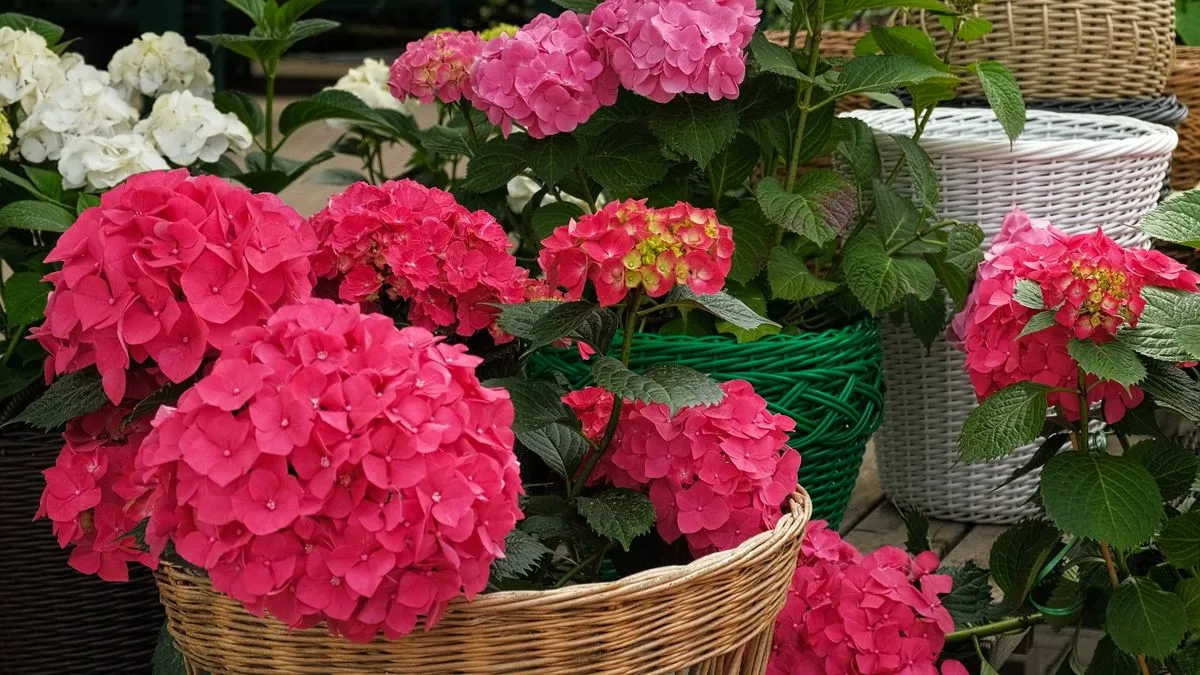
Hydrangeas are beloved for their spectacular, long-lasting blooms that bring colour to British gardens from late spring through autumn. Celebrated as a low-maintenance choice, they are a favourite among novice and experienced gardeners alike. However, several surprisingly common cultivation errors can lead to a complete lack of flowers, turning anticipation into disappointment.
The Three Most Common Hydrangea Blunders
Ben Hilton, founder and editor of the gardening advice website The Gardening Fix, has pinpointed three widespread mistakes that often result in flowerless hydrangeas. The good news is that with the right knowledge, these pitfalls are entirely avoidable, ensuring a vibrant display year after year.
1. Ignoring Soil pH Levels
Many gardeners diligently fertilise their hydrangeas, expecting a magnificent floral show, only to be let down. This disappointment frequently stems from incorrect soil pH, which critically affects the plant's ability to absorb and distribute nutrients effectively.
For the majority of hydrangea varieties, slightly acidic soil with a pH between 5.2 and 6.2 is considered ideal. Hilton strongly advises gardeners to first test their soil's pH using a simple test kit. If the reading is outside the optimal range, amending the soil is essential. Following this correction, he recommends applying a phosphorus-rich 10-20-10 fertiliser in spring to support robust flower development.
2. Pruning at the Wrong Time
According to Hilton, incorrect pruning is "the most costly mistake for sure" when it comes to hydrangeas. The high price is paid in lost blooms, as flower buds are often accidentally removed. This error can lead to no flowers at all for the entire growing season.
The key is understanding whether your hydrangea blooms on old or new wood. Varieties like Hydrangea macrophylla and quercifolia form their flower buds on old wood. These types must be pruned directly after they finish flowering in the autumn. In contrast, Hydrangea paniculata and arborescens bloom on new growth, allowing them to be cut back in late winter or early spring without affecting that year's display.
3. Failing to Water Adequately
Hydrangeas are notoriously thirsty plants, and consistent moisture is non-negotiable for achieving a successful, full bloom. They require regular watering not only during the active growing season but also in their dormant period.
In areas where the ground freezes solid, Hilton advises gardeners to continue watering deeply and regularly until the soil is completely frozen. In milder UK regions where the ground doesn't freeze, hydrangeas should still be watered thoroughly, albeit less frequently, throughout the winter months.
For summer care, the expert suggests a simple but effective routine: watering thoroughly twice a week combined with a thick layer of organic mulch. This practice helps retain soil moisture and will, he promises, "return fantastic blooms all summer".
Securing Your Floral Display
By sidestepping these three common errors—monitoring soil pH, pruning with timing in mind, and maintaining consistent moisture—gardeners can unlock the full flowering potential of their hydrangeas. With this straightforward guidance, even those new to gardening can ensure their plants deliver the stunning, eye-catching shows they are famous for, transforming any outdoor space into a summer spectacle.