Autumn is the ideal time to revive tired lawns, and gardening expert Ish has shared a straightforward guide for the season. One task he says nobody should skip is scarification, which removes thatch and improves airflow to the ground.
Why scarification matters
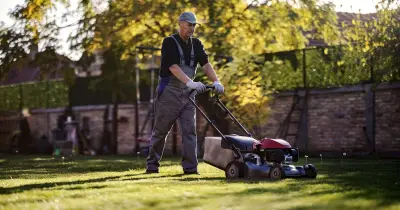
Following a summer of record-breaking temperatures, lawns may need extra effort to prepare for colder months. Scarifying uses rotating blades on a machine to cut into the lawn, stripping out layers of dead grass, moss and debris while stimulating new growth.
Ish explained: "Now, what this is is a collection of dead grass and some of the weaker grass, and it slightly thins out the lawn, which you wouldn't think would be a good thing, but it actually allows more airflow and a thicker lawn. So, getting rid of it actually makes it better."
Aerate before scarifying
Before scarifying, Ish recommended tackling lawn compaction. Using an aerator to puncture holes every six to eight inches apart encourages airflow to the roots and promotes stronger root growth, particularly if the lawn has endured heavy foot traffic and dry summer conditions.
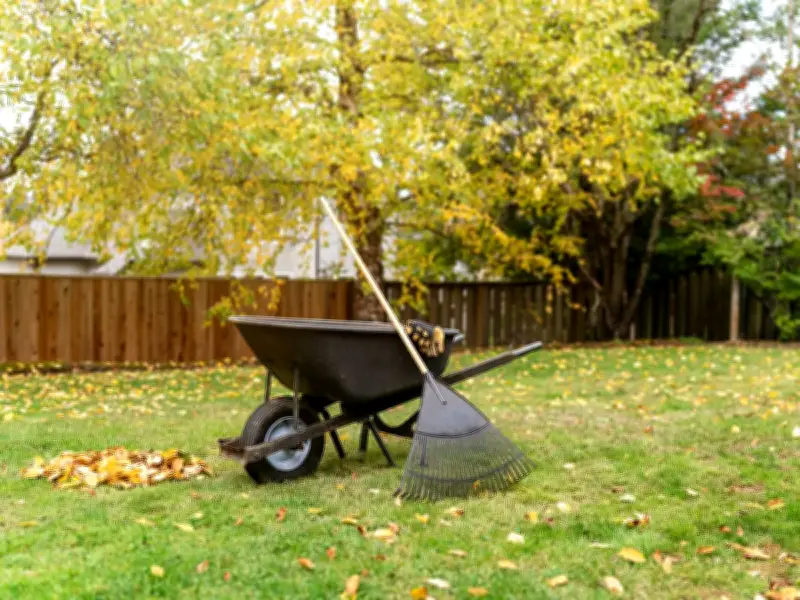
For scarifying, a standard hand rake or a specialist scarifying rake can be used. Dragging the rake in "channels" through the grass and soil helps strip away a layer of thatch, piercing holes to assist with water drainage.
Repairing bare patches
For bare patches left by summer heat, Ish suggested creating a lawn paste using waste, lawn compost and grass seed. Roughen the surface with a small hand rake, then spread the paste directly onto the affected area. He prefers lawn compost as it retains moisture and contains zinc, which aids quicker germination.
B&Q recommends giving the lawn a generous amount of water after scarification to help the soil retain moisture, and advises aerating one to two days after rainfall while the soil remains damp.