
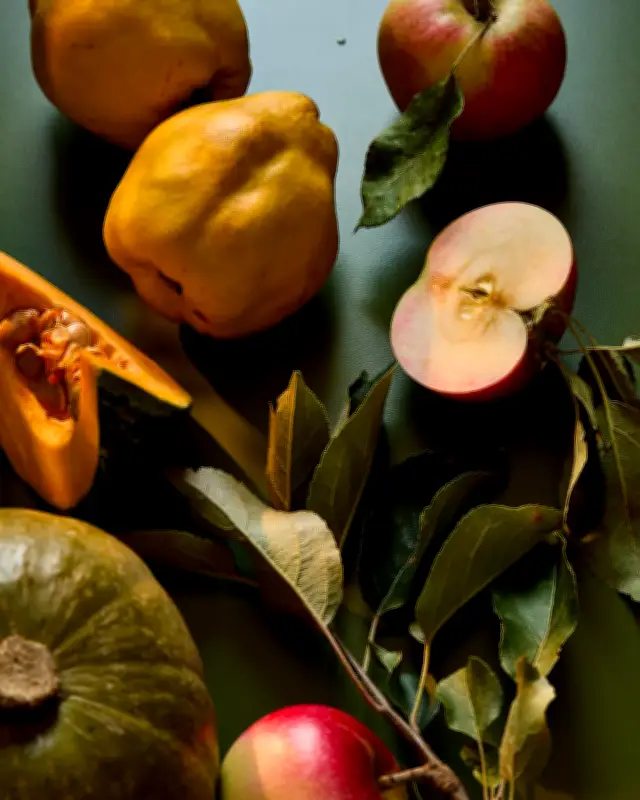
Autumn brings a host of seasonal ingredients to cook, plant and pick, from mushrooms and leeks to chestnuts and squash. This guide covers what to prepare in the kitchen and what to sow or harvest in the garden.
Cook: mushrooms, leeks and squash
Quince, hard as a baseball and initially unpromising, are at their best cooked until beautifully aromatic. To save the torture of peeling, poach whole until soft, cool, then discard the core and blitz.
Leeks can be cooked in a moderate oven, wrapped in foil with just a dash of olive oil and a sliced garlic clove per leek, until soft and luscious – about 40 minutes, depending on thickness.
Of the thousands of apple varieties, only a few appear in shops. For those with the best flavour and texture – including Egremont Russet, Worcester Pearmain, and Cox’s Orange Pippin – buy direct or from online suppliers, such as Riverford.
Foraging and special varieties
As good as a standard butternut can be, Uchiki Kuri, crown prince and acorn table are a class apart and really worth looking for. Roast unpeeled and deseeded, with a little oil and earthy spices, until soft.
September and October are the best time to pick chanterelles (AKA girolles) and porcini (AKA ceps/penny buns), when warm weather followed by rain makes them most abundant. Take John Wright’s Mushrooms: River Cottage Handbook to identify them, or buy fresh fungi online.
Autumn doesn’t feel fully here until roasting chestnuts over an open fire. Cut a cross into the end and cook using a chestnut roaster or dry frying pan, until their scent rises and the skin splits, being careful not to burn them, as they turn bitter easily.
Chillies and garden tasks
Most supermarket chillies are within a narrow band of heat, flavour and aroma. Order from specialist growers, such as South Devon Chilli Farm, and choose from the milder chillies, such as the rich and complex poblano to the super-hots, like Carolina Reaper.
In the garden, sow broad beans knuckle deep for an early crop in spring (Claudia Aquadulce are best in autumn). Harvest squash by cutting them with a short stalk (it helps prevent rotting) and store somewhere light and cool to ripen for a week or so before storing until ready to use.
Pick and ripen any remaining tomatoes on a sunny windowsill or in a paper bag with a banana – the ethylene helps them develop. Dig up and compost any pepper, chilli, tomato and aubergine plants as the first frosts will finish them off.




