
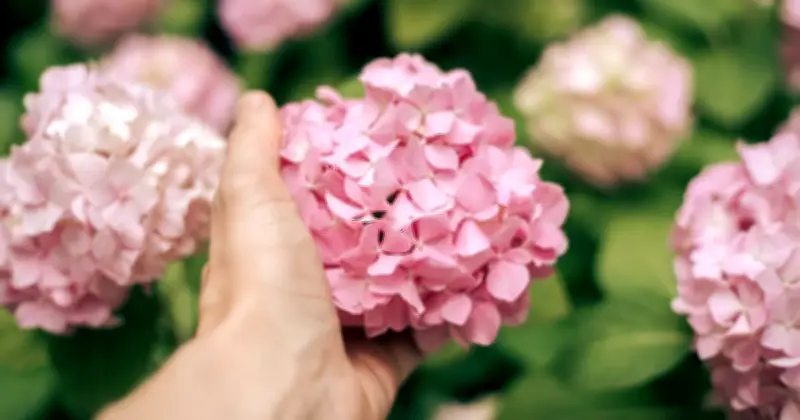
Hydrangeas are known for their big, fluffy flowers, but they can struggle in hot weather. A simple mulching task in August can help them grow fluffier and perkier blooms, according to a gardening expert.
Why Mulch Hydrangeas in August?
August is often a dry month with less rainfall, and hosepipe bans in some areas can make watering difficult. Hydrangeas have delicate, shallow roots that need plenty of moisture to stay healthy. They can dry out quickly during hot spells, leading to wilting, stunted blooms, or halted growth.
Skye Hamilton, a gardener known as the Hydrangea Queen and founder of Hamilton House Designs, says mulching is one of the best ways to protect hydrangeas from heat and keep them hydrated. She explained: "Mulching hydrangeas is super beneficial for retaining moisture, retaining nutrients, and feeding the soil. Hydrangeas have wide, shallow roots, so finding the right mulch is very important."
How Mulching Helps
Mulching involves covering the plant with protective material to shield it from the elements. In summer, it helps preserve soil moisture. A layer of mulch reduces evaporation and insulates the roots, keeping them cool even as temperatures rise.
This helps hydrangeas stay vibrant and continue flowering despite the heat, while also suppressing weeds around the plants, saving time and effort in the garden.
How to Mulch Hydrangeas
Choose a natural mulch known for retaining water, such as pine, cedar, bark chips, pine straw, or leaf mulch. These materials keep hydrangeas hydrated and break down slowly to nourish the plant.
Apply a thin layer, about two to four inches deep, around the plant, being careful not to overdo it. Too much mulch can cause waterlogged soil, which may attract pests and diseases. After applying, water the hydrangea thoroughly. This should help it flourish and continue producing large, full blooms throughout August.




