
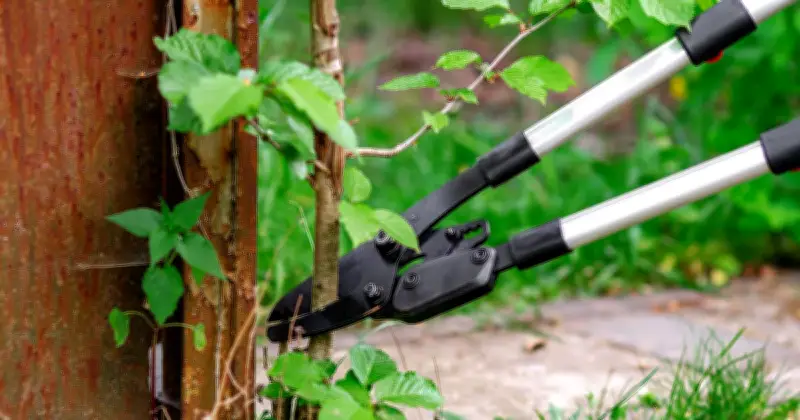
Although May is often the busiest month for gardeners, June still demands attention. According to horticultural expert Tom Brown, Head Gardener at West Dean Garden in West Sussex, there are at least six essential jobs to complete this month to ensure your garden thrives later in the year. The most critical task is weed control, as this is prime growing season for both desired plants and unwanted intruders.
Weeding Strategies
Tom emphasizes that many weeds are beneficial to pollinators, so consider leaving an area uncultivated. For annual weeds like Groundsel or Hairy Bittercress, hoeing just below the soil surface effectively kills them. Perennial weeds such as nettles or Japanese knotweed require complete removal, and never add them to compost to prevent regrowth. In extreme cases, Tom recommends a "scorched earth" approach: replace heavily infested beds with lawn, mow regularly to exhaust weeds, then create new borders without transferring infested plants.
Pruning Philadelphus
Prune philadelphus, or Mock Orange, immediately after flowering. Remove dead stems and shape the plant to encourage regrowth and blooms next spring.
Pruning Weigela
Weigela should also be pruned right after flowering. Cut stems with spent flowers back to a strong shoot or healthy leaf, maintaining a balanced shape. Avoid cutting to leafless points, which leave unsightly stems.
Planting Brassicas
Plant cabbage, kale, or Brussels sprouts in June for a later harvest. These are excellent follow-on crops after early carrots, spinach, or onions, making efficient use of your plot.
Planting Squash, Courgettes, and Sweetcorn
With frost risk diminished, start tender vegetables like pumpkins, squash, gherkins, courgettes, and sweetcorn in a greenhouse or conservatory. Sow seeds a few weeks before planting out to ensure strong, fast-growing young plants.
Watering Greenhouse Vegetables
Avoid letting aubergines, chillies, and peppers dry out, but also avoid overwatering, especially during cool nights. Use your finger to check moisture levels; if damp, delay watering, particularly after 3pm, to prevent cold, wet root balls.
Pruning Plums and Cherries
For fan-trained plum trees, prune now by removing dead, diseased, or dying wood. Trim unnecessary growth back to six leaves from the shoot's origin or bud cluster.




