
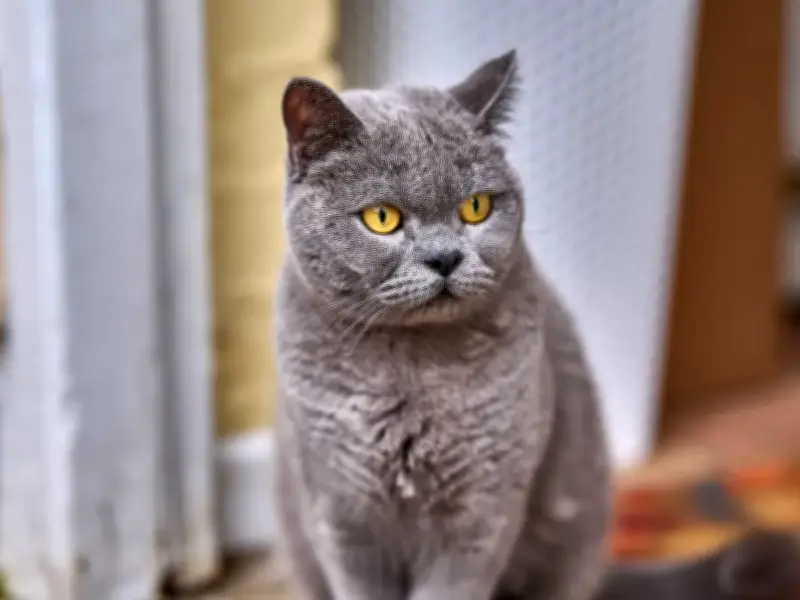
Seven cat breeds may be particularly susceptible to distress when left to their own devices, with signs including persistent vocalisation, hiding and declining food. While cats are known for being independent, they still need companionship, attention and mental stimulation, and regular play and interaction are important for keeping them happy and healthy.
Most adult cats can be left alone for a period of time, although this varies depending on their age, health and individual needs. Healthy adult cats will generally cope with being alone during the working day, as long as they have access to fresh water, food, a clean litter tray and a safe, stimulating environment. However, if you're going away overnight or for longer, it's best to arrange for someone to check on your cat regularly.
Separation-Related Behaviours
According to Cats Protection: "In both cats and dogs, separation-related behaviours can be linked to when a particular member of the household leaves, even if other people are still around. So, even if you leave your cat with someone at home, you may still notice changes in their behaviour."
Tell-tale signs can include restlessness, excessive meowing, displaying unusual anxiety around sudden noises or disturbances, refusing food, hiding away more often than usual, going to the toilet outside the litter tray, scratching furniture destructively, and in more serious cases, vomiting or suffering from an upset stomach.
The Seven Breeds
The British Shorthair may not be the most cuddly of cats, but they still enjoy spending time with their owners and can develop separation anxiety when left alone. While this breed generally copes well with some alone time, too much time without companionship can leave them feeling stressed.
Bengal cats are highly active, intelligent, and curious, so they need plenty of mental and physical stimulation to stay happy and healthy. As a result, they may struggle with being left alone for long periods. Ideally, Bengal owners should be able to dedicate plenty of time to this breed.
Siamese cats are highly affectionate, social, and people-oriented, but they can struggle with separation anxiety when left alone. Research published in PLOS One identified Siamese cats as one of the breeds most likely to experience separation-related problems.
Bonds and Behaviour
Burmese cats are playful and intelligent, with many enjoying games of fetch. Like their Siamese relatives, they form strong bonds with their people and can struggle with separation anxiety when left alone for too long.
"Gentle, calm, and affectionate," Persian cats often form close bonds with their families but can be shy around strangers. If left alone too often, some may become anxious or insecure and benefit from the reassurance and companionship of their owners.
The Sphynx is an energetic, playful, and mischievous breed that thrives on attention, companionship, and plenty of enrichment. When consistently left alone for long periods, they can become distressed, bored, and destructive.
Ocicats are playful and a little mischievous. They often form a particularly strong bond with one family member. Because they crave social interaction, being left alone for long periods can cause them distress. They're best suited to an active, playful household where they can get plenty of attention.




