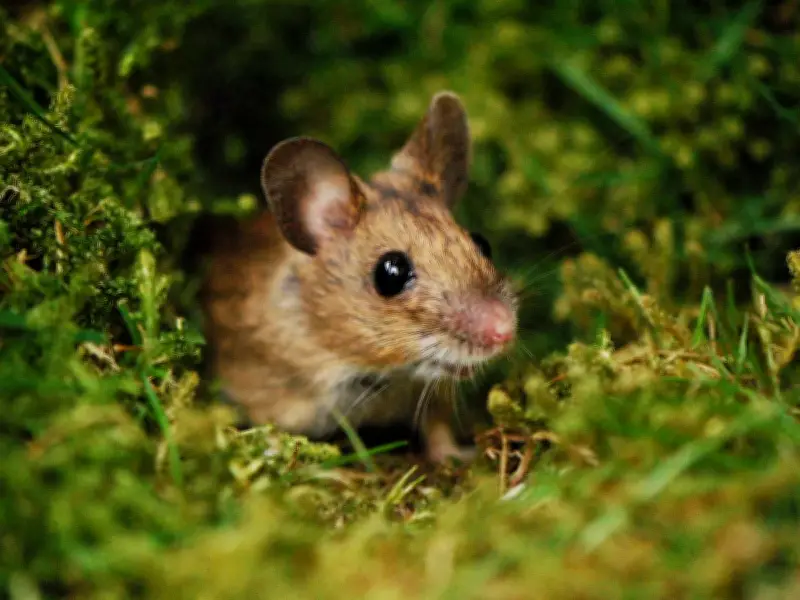
Mice and rats can be repelled from gardens using natural plants, according to a social media gardener who posts under the username Plant Lover. The six plants work because rodents dislike their smell, and many have additional practical uses.
Rodent activity and natural deterrents
Rodents are active all year round, but they tend to be most active during autumn and winter as they wander further to find food and shelter. Spotting the occasional rodent in a garden is not necessarily a concern, but there are measures that can be taken to keep them away from crops or prevent them from entering a home.
The gardener shared six common plants that help keep mice and rats out of gardens because of their scent.

The six plants that repel rodents
Peppermint was recommended first, as mice in particular hate the strong menthol scent it produces. Unlike peppermint oil drops, the plant maintains its strong scent for longer, making it more effective. It should be planted near a home to deter mice from doors and other entry points, either directly in the ground or in pots placed around the garden.
Lavender deters mice and rats with its "overwhelming" scent and also deters flies. At the same time, it attracts bees and other pollinators, keeping out unwanted pests while inviting important insects.
Daffodils are a great pest deterrent in the spring, though they may not deter rodents year-round. Rodents "avoid the bitter, toxic bulbs entirely," but the plant only flowers for a short time. The bulbs should be planted in September, where they spend several months developing roots before flowering in February and March.
Marigolds provide a burst of orange colour while deterring rodents and other garden pests. However, marigolds are often used as a trap crop, meaning some pests may be attracted to them rather than to more valuable fruit and vegetables. If no crops are being grown, the marigolds might get eaten before they can do much to keep pests at bay.
Garlic acts as a rodent deterrent because its pungent smell masks the food trails that rats and mice rely on to move around. It can also be harvested for cooking, making it twice as useful.
Mint, like peppermint, deters rodents because of its strong smell. However, mint should never be grown directly in the ground, as it can quickly spread and take over a whole garden. Instead, it should be kept in a pot to control its growth and placed near doors and foundations to create a rodent barrier.