September offers gardeners a vital window to prepare for autumn and winter, and completing a few simple tasks now can make a significant difference to the year ahead. As summer fades, the month bridges the gap between summer harvests and the next growing season while also supporting garden wildlife.
Expert Advice for September
James Ewens, gardening expert at Green Feathers, said: "Your September jobs don't have to be exhaustive, but a little goes a long way. Your garden is experiencing less daylight and cooler temperatures, and more moisture in your soil works in your favour for planting and establishing new growth."
He added: "September is also a vital time to support our wildlife populations by building up food and shelter reserves, including our feathered friends and our pollinators. These five small gardening jobs can make a huge difference to your garden's success in the year to follow."

Plant Spring Bulbs
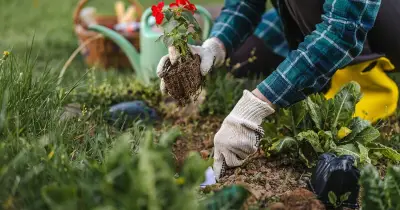
September soil retains residual warmth from summer, making it ideal for planting spring-flowering bulbs. This allows roots to establish in mild soil before winter cold sets in. Bulbs such as daffodils, tulips, crocuses, and hyacinths can develop robust root systems that endure frost and produce blooms in spring. Varying planting choices can extend colour from crocuses in February to late tulips in May, and early flowers provide essential nectar for bees emerging from hibernation.
Divide Perennials and Care for Wildlife
Herbaceous perennials like asters and daylilies benefit from division every three to four years. September's manageable ground and slowing plant growth make it the perfect time. Splitting prevents overcrowding, reduces competition for nutrients, and revitalises older clumps that may have stopped flowering strongly. More blooms also prolong the feeding period for pollinators.
Wildlife faces winter challenges, so September is an opportunity to offer water, food, and shelter. Retaining sunflower seedheads, planting native trees and shrubs, and adding high-energy bird cakes or fat balls provides a food supply. Log, leaf, and branch piles offer shelter for hedgehogs, amphibians, and insects, while postponing heavy pruning gives insects a refuge and preserves biodiversity.
Lawn Care and Harvesting
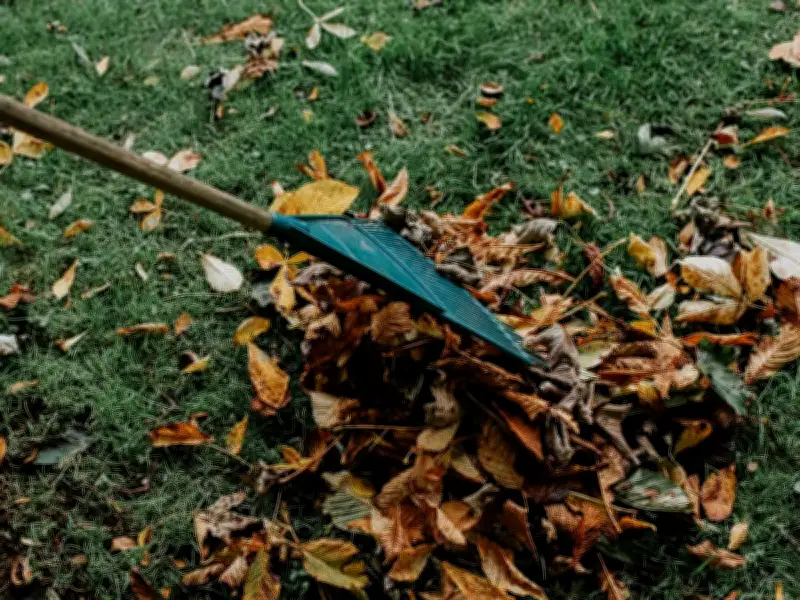
September's warm soil and frequent rainfall are ideal for lawn repair. Aerating compacted ground improves drainage, overseeding bare patches thickens the lawn before winter, and a light fertiliser rich in potassium and phosphorus encourages robust root growth. A healthy lawn also provides foraging ground for birds seeking worms and insects.
Apples, pears, plums, squash, pumpkins, late beans, and courgettes are now ready to pick. Regular harvesting encourages continued fruiting, prevents waste from fallen produce, and deters pests and disease.